
Ops Playbook
Can an Older X-Ray Room Be Upgraded to DR?
August 7, 2026 · 6 min · Medical Imaging Specialists
Practical considerations, risk points, and what to ask before you buy, service, move, or maintain imaging equipment.
Yes, an older X-ray room can sometimes be upgraded to digital radiography, but the answer depends on the exact system, detector path, generator interface, workstation, software, room layout, service history, image-quality needs, and whether compatible parts and qualified support are available. A DR upgrade can be a smart middle ground when the room is mechanically sound but workflow is slow or image capture is outdated. Replacement deserves a closer look when the generator, tube, table, wall stand, workstation, or parts path is already creating recurring downtime.
For Florida clinics, orthopedic groups, urgent care centers, and outpatient imaging operators around Bradenton, Sarasota, Tampa Bay, and beyond, the real question is not “Can we bolt on a panel?” It is “Will this room be reliable, supportable, and useful after the upgrade?”
What does a DR upgrade actually change?
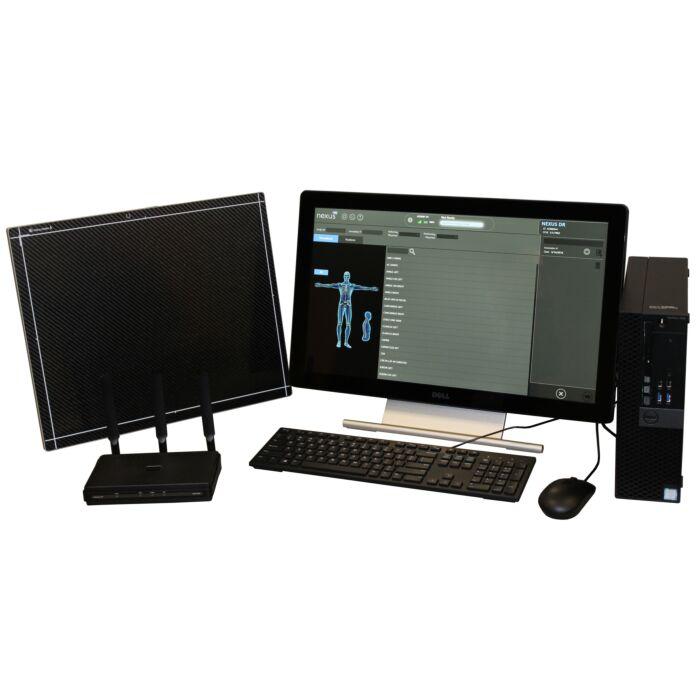
A DR upgrade usually means moving from film, computed radiography, or an older digital capture setup to a flat-panel detector and workstation workflow. The goal is faster image acquisition, fewer cassette-handling steps, improved workflow, and easier routing to PACS or the radiologist.
That does not automatically replace the whole X-ray room. The tube, generator, table, wall stand, bucky, collimator, cabling, console, and room infrastructure may remain in place if they are compatible and serviceable. In other cases, the detector is only one part of a larger modernization project.
This is why MIS treats a DR discussion as a room review, not just a detector quote. A detector can be technically attractive and still be the wrong investment if the rest of the platform is aging out.
If you are still deciding whether the system itself is worth keeping, start with the X-ray equipment lifespan guide and the broader X-ray equipment category.
When does an older X-ray room make sense for DR?
An upgrade deserves serious consideration when the room is stable but workflow is the problem. That might mean the system produces acceptable exposures, the mechanical components are dependable, the facility likes the room layout, and the main frustration is image capture, transfer, repeat work, or workstation efficiency.
Common upgrade-fit signals include:
- The generator and tube are still serviceable.
- The table, wall stand, bucky, and positioning hardware operate reliably.
- The room has a useful clinical role and enough volume to justify improvement.
- Parts and service support remain realistic for the base system.
- The site wants faster acquisition or cleaner digital workflow without a full room replacement.
- The facility can support the needed workstation, network, and PACS configuration.
Those are green lights for evaluation, not promises. Compatibility has to be checked against the exact room and detector package. A fixed room, portable system, C-arm, fluoroscopy room, and chiropractic X-ray setup do not all follow the same path.
When is replacement the better conversation?
Replacement starts to look smarter when the base room has multiple unresolved problems. A DR panel will not fix a generator that keeps faulting, a tube near the end of practical service life, worn mechanical hardware, unsafe movement, unstable software, or a platform with limited support.
Watch for these warning signs:
- Repeat service calls for the same room.
- Image-quality issues that are not just capture-workflow problems.
- Generator, tube, table, wall stand, or bucky concerns.
- Workstation and software support that no longer fits the facility.
- Parts that are difficult to identify, source, or support.
- Downtime that disrupts patient flow, referring-provider relationships, or staff scheduling.
- A planned clinical change that the existing room was never designed to support.
The mistake is treating “DR upgrade” as a shortcut around a lifecycle decision. Sometimes it is exactly the right move. Sometimes it spends money on a room the facility should be planning to replace.
For a broader decision framework, compare this article with new, used, or refurbished X-ray equipment and used X-ray buying checks.
What should be checked before buying a detector?
Before ordering any DR package, the facility should gather enough detail for a qualified compatibility and support review. The goal is to avoid guessing by photo, age, or brand name alone.
Key areas to check include:
- System type: fixed-room radiography, portable, C-arm, fluoroscopy/RF, chiropractic, or another configuration.
- Manufacturer, model, serial number, and approximate installation year.
- Generator, console, tube, table, wall stand, bucky, and detector or receptor details.
- Current capture workflow: film, CR, older DR, or mixed workflow.
- Existing workstation, software, DICOM, worklist, PACS, printer, and network setup.
- Service and PM history, including recurring faults.
- Recent parts replacements or deferred repairs.
- Room photos, equipment labels, cable paths, and any existing layout notes.
- Current pain point: speed, image quality, downtime, PACS routing, storage, or replacement planning.
Do not send patient images, patient schedules, reports, accession numbers, worklists, or unredacted screenshots. For service, parts, and quote work, MIS needs equipment information, not PHI.
If the request is partly a parts problem, the X-ray parts page and parts quote checklist can help organize the first request.
How should a facility compare upgrade vs. replacement?
Use a simple owner decision matrix before asking for pricing. This keeps the conversation focused on the operating result instead of the lowest line item.
Upgrade review: Best fit when the X-ray room is mechanically stable, the clinical use case still fits, parts support is reasonable, and the main issue is capture or workflow.
Service or parts review: Best fit when there is an isolated fault, the platform remains serviceable, and the facility needs the room back in dependable operation.
Replacement quote: Best fit when reliability, supportability, room configuration, workflow limitations, or recurring downtime are becoming a pattern.
Sell or retire review: Best fit when the facility is decommissioning the room, replacing the platform, or trying to understand whether the existing equipment has resale, parts, or removal value.
That last path matters. A facility replacing an X-ray room may need deinstallation, logistics, equipment sourcing, and a disposal or resale review in the same project plan. The deinstall, shipping, and installation guide is a useful next read if the room may be coming out.
What does MIS need for a quote or review?
Send the system type, manufacturer, model, serial number, room photos, equipment-label photos, current workflow, service history, PHI-free symptoms, downtime pattern, site location, desired timeline, and whether your goal is upgrade, repair, parts, replacement, or retirement planning.
If you do not know a field, say so. “Unknown, help me identify it” is better than a guessed model or copied number from the wrong component.
MIS is based in Bradenton, Florida and supports medical imaging equipment, parts, service, installation planning, and refurbishment conversations across Florida, the U.S., and international projects through established operations. Scope depends on the exact modality, system, location, part, and project requirements, so the safest first step is a qualified review.
For X-ray equipment options, start at X-ray equipment. For a scoped request, use Request a Quote. For service or support routing, use MIS services or Contact MIS.
FAQ
Can every older X-ray room be upgraded to DR?
No. Some older rooms are good upgrade candidates, while others are better handled through service, parts, replacement, or retirement planning. Compatibility and supportability have to be checked against the exact system.
Is a DR upgrade cheaper than replacing the full X-ray room?
Sometimes, but price should not be the only filter. A lower-cost upgrade can become a poor investment if the generator, tube, table, workstation, software, or parts path is already creating lifecycle risk.
Does a DR detector fix image-quality problems?
Not automatically. Image-quality issues can come from detector capture, technique, tube or generator behavior, mechanical alignment, software, processing, calibration, or workflow. Qualified service review is needed before assuming the detector is the failed or limiting component.
Can MIS help identify the right X-ray part or detector path?
MIS can review equipment details, photos, model information, symptoms, service history, and project goals to route the request toward parts, service, equipment, upgrade review, or replacement planning where the scope fits.
What should I avoid sending with an X-ray service or upgrade request?
Do not send PHI, patient images, patient reports, schedules, accession numbers, worklists, credentials, or unredacted screenshots. Send equipment labels, room photos, system details, service history, and PHI-free symptoms instead.
Schema recommendation
Use BlogPosting or Article schema for this post, plus FAQPage schema for the visible FAQ if the site supports it. Link the article to true equipment, service, parts, and quote pages. Do not mark the article as a product offer unless a maintained inventory listing with accurate condition and availability exists.
Need help with this exact problem?
Send the modality, site location, timeline, and any system details. MIS will route the request by intent.
Related resources
Ops Playbook
What Does a CT Scanner Service Contract Cover?
Learn what a CT scanner service contract may cover, whether the X-ray tube is included, and which exclusions to review before signing.
Ops Playbook
What Should You Send Before Asking MIS to Review an X-Ray System?
Need help deciding whether to service, source parts for, replace, or retire an X-ray system? Send these details before asking MIS for a review.
Ops Playbook
CT Scanner Repair and Maintenance: What Should Your Facility Expect?
What facilities should expect from CT scanner repair and maintenance: intake, triage, parts review, service communication, documentation, and next steps.