
Buyer's Desk
New, Used, or Refurbished X-Ray Equipment: Which Is Best?
June 2, 2026 · 6 min · Medical Imaging Specialists
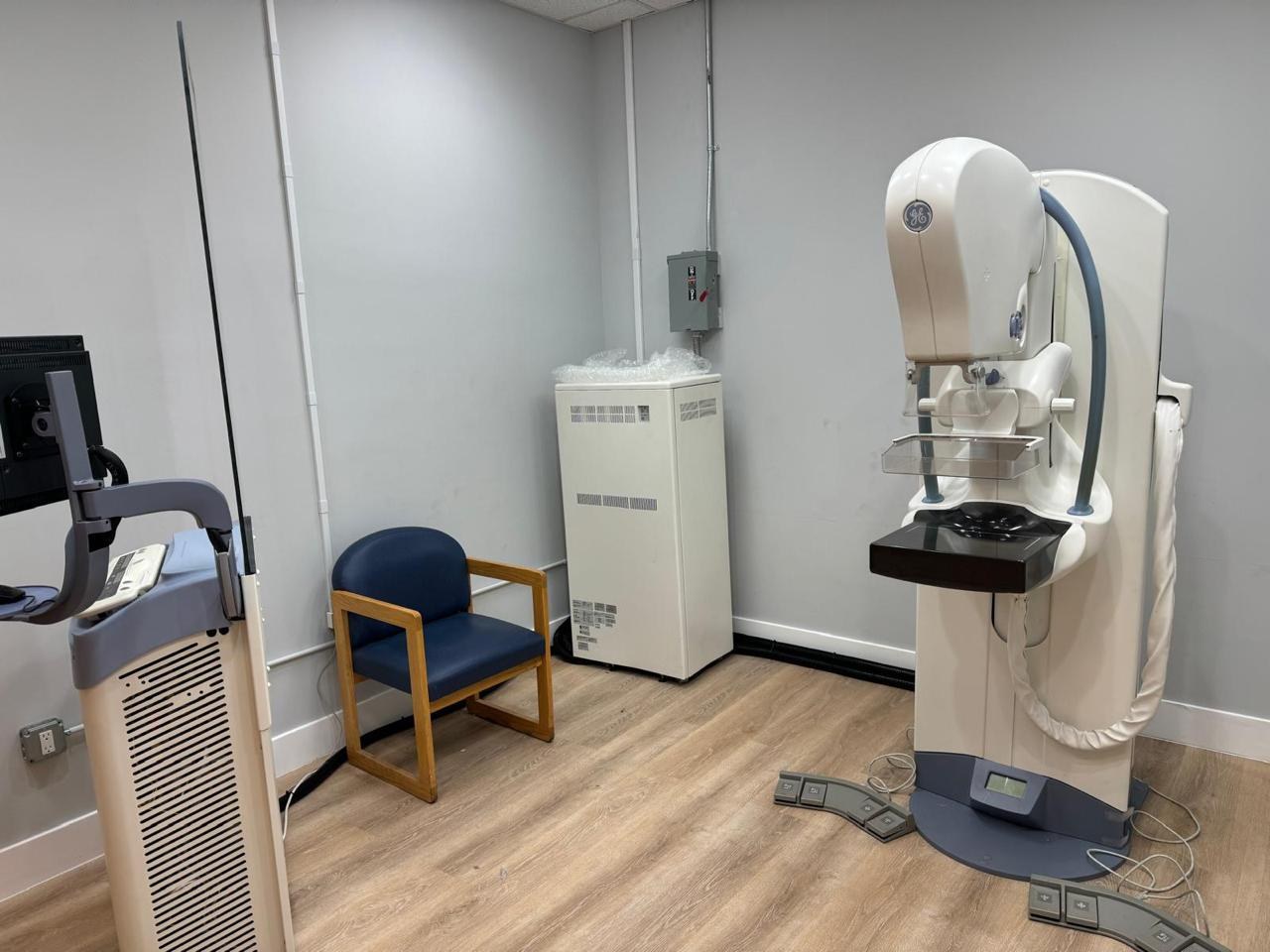
Practical considerations, risk points, and what to ask before you buy, service, move, or maintain imaging equipment.
For most clinics, urgent cares, orthopedic practices, and outpatient imaging operators, refurbished X-ray equipment is often the best balance of cost control, reliability, and serviceability. New equipment can make sense when a facility needs the latest detector package, OEM warranty path, or a standardized fleet. Used equipment can work when the system is clean, complete, and properly verified. But the safest buying decision is not “new vs. used.” It is whether the system fits the room, workflow, service plan, parts path, and budget after installation.
Start with the clinical job, not the price tag
The right X-ray system depends first on what the room needs to do. A low-volume specialty clinic, a high-throughput orthopedic practice, an urgent care, a hospital outpatient department, and a mobile imaging program all put different demands on the equipment.
Before comparing new, used, and refurbished options, define the clinical use case: general radiography, orthopedic imaging, chest imaging, portable work, or fluoroscopy/C-arm work; expected volume; room size; detector workflow; PACS/RIS connectivity; staff familiarity; downtime tolerance; and who will service the system.
That matters because the cheapest system can become expensive if it slows technologists down, does not fit the room, needs hard-to-source parts, or cannot be supported locally. If you are still mapping the buying process, start with the used X-ray equipment buying checklist before asking for quotes.
When new X-ray equipment makes the most sense
New X-ray equipment is usually the cleanest path when a facility wants the newest detector technology, a full OEM sales/install package, current software options, and a standard warranty structure. It can also make sense for a hospital network trying to standardize across multiple sites or a group that wants every room configured the same way.
The tradeoff is cost and lead time. New systems often carry a higher capital expense, and the project can still require room planning, electrical work, shielding review, IT coordination, rigging, installation, acceptance testing, applications training, and future service planning. “New” does not remove the operational work. It just reduces certain equipment-history questions.
New may be the right call when the facility needs a very specific current-production configuration, fleet standardization matters more than upfront savings, OEM software or detector options are hard requirements, and the site has already confirmed room, power, network, and workflow readiness.
The mistake is assuming new automatically equals lower total risk. If the room is not ready or service response is weak, a new system can still miss the go-live date or frustrate staff.
When used X-ray equipment can work
Used X-ray equipment can be the lowest-cost path, especially when the seller is moving a working room, upgrading a site, or liquidating surplus equipment. It can be a good fit for buyers with technical support, flexible timelines, and the ability to verify the system before purchase.
But used equipment is not one category. A complete working room removed by a qualified team is very different from a partial system with missing cables, unknown detector history, no service records, and unclear software status.
Used can work when the buyer can confirm make, model, serial numbers, software level, included options, major component condition, recent service history, known faults, whether the system was operating before removal, what accessories are included, and whether parts and service support exist after installation.
The biggest used-equipment risk is buying a “deal” before proving it is complete and serviceable. A missing detector, damaged cable, unsupported workstation, or unavailable part can erase the savings quickly. For a broader view of cost variables, see how much used X-ray equipment costs.
Why refurbished X-ray is often the practical middle ground
Refurbished X-ray equipment sits between new and used. The goal is not to pretend the system is new. The goal is to take a proven platform, verify the major components, correct known issues, clean and prepare the system, document what is included, and deliver it with a service plan that matches the buyer’s risk tolerance.
That middle ground is valuable because many facilities do not need the newest possible room. They need a reliable room that fits the budget, can be supported, and will not strand them when a detector, tube, generator component, workstation, cable, or mechanical part fails.
A serious refurbished X-ray purchase should document what was inspected, what components are included, what service history is available, whether replacement parts are reasonably sourceable, who installs and supports the system, and what acceptance process will be used before the room goes live.
This is where MIS’s model matters. A reseller that also handles service, parts, deinstallation, shipping, installation, and support can look at the system as an operating room, not just a sales order. That is the difference between buying equipment and buying a workable project.
Compare the real costs, not just the invoice
The purchase price is only one line in the decision. Facilities should compare the total cost and risk profile across the whole project.
Key cost drivers include room preparation, electrical work, shielding review, construction changes, deinstallation, crating, freight, rigging, installation, detector/tube/generator/workstation condition, software options, PACS connectivity, applications training, preventive maintenance, service response, parts availability, downtime risk, and future replacement value.
A used system with weak documentation may look cheaper than a refurbished system until the first major part search. A new system may look safest until the buyer realizes the project still depends on site readiness and service coverage. The better decision is the one with fewer unknowns.
If uptime is the concern, read what maintenance X-ray equipment needs and what parts X-ray machines need before finalizing the purchase.
Common mistakes when choosing an X-ray system
The first mistake is shopping by price alone. A low-cost X-ray room with poor parts availability, incomplete documentation, or no service support is not really low-cost. It is a risk transfer from the seller to the facility.
The second mistake is ignoring the room. Ceiling support, power, network drops, detector charging, table placement, wall stand clearance, shielding review, and service access can all affect whether a system installs cleanly. Confirm the room before equipment ships. The X-ray equipment site requirements guide is a useful planning reference.
The third mistake is buying without knowing who will support the system. Ask who can troubleshoot it, who can source parts, who will install it, and who will answer when the room is down.
The fourth mistake is treating refurbished as a cosmetic label. Paint and cleaning are not enough. Refurbishment should be tied to inspection, documentation, component verification, and serviceability.
FAQ
Is refurbished X-ray equipment reliable?
It can be, if the system is properly inspected, documented, installed, and supported. Reliability depends on the platform, age, condition, service history, parts availability, room conditions, and maintenance plan. Refurbished does not mean risk-free; it means the buyer should have fewer unknowns than with an unchecked used purchase.
Is used X-ray equipment always cheaper than refurbished?
The upfront price is often lower, but the total cost can be higher if the system is incomplete, hard to install, missing documentation, or difficult to service. Compare the full project: equipment, freight, rigging, installation, room work, parts, downtime risk, and support.
When should a clinic buy new X-ray equipment?
New equipment makes sense when the facility needs a current-production configuration, OEM-standardized fleet, specific software/detector options, or a warranty path that only a new purchase provides. It is usually the highest-cost path, but it may be justified for certain networks and high-volume rooms.
What should I ask before buying refurbished X-ray equipment?
Ask for make, model, serial numbers, included components, detector and tube details, workstation/software information, service history, known issues, installation scope, parts availability, and post-install support. If the seller cannot answer basic configuration questions, slow down.
Can MIS help compare new, used, and refurbished options?
Yes. MIS can help evaluate whether an available X-ray system fits your room, workflow, budget, service expectations, and replacement timeline. If a refurbished system is not the right fit, that should come out before the purchase order, not after delivery.
Talk to MIS before you buy the wrong room
If you are comparing new, used, or refurbished X-ray equipment, send MIS the room details, intended use, current equipment if any, target timeline, budget range, and any systems you are considering. The team can help identify whether the system is a fit, what site or service risks to check, and whether a refurbished option through MIS makes sense.
Start with the X-ray equipment page, request pricing through /quote, or contact the team through /contact. If you are replacing a room because downtime or parts availability is becoming a pattern, MIS can also help with service and parts planning through /services and /parts.
Schema recommendation
Use Article or BlogPosting schema for the post and FAQPage schema for the FAQ section. If this page is connected to a dedicated X-ray equipment or refurbished-equipment landing page, consider Product or Service schema on that destination page rather than overloading the blog post.
Need help with this exact problem?
Send the modality, site location, timeline, and any system details. MIS will route the request by intent.
Related resources
Buyer's Desk
What Is a Fair Price for Used X-Ray Equipment?
A fair used X-ray equipment price depends on scope, detector condition, site readiness, installation, service, parts, and support.
Buyer's Desk
How Much Does Used Medical Imaging Equipment Cost?
Used medical imaging equipment cost depends on modality, model, condition, site work, installation, service, parts, and support scope.
Buyer's Desk
Best Used MRI for an Outpatient Imaging Center
Choose the right used MRI for an outpatient center by matching field strength, bore size, coils, site needs, service, and volume.