
Buyer's Desk
Used X-Ray Equipment Buying Checklist: What to Inspect
May 25, 2026 · 6 min · Medical Imaging Specialists
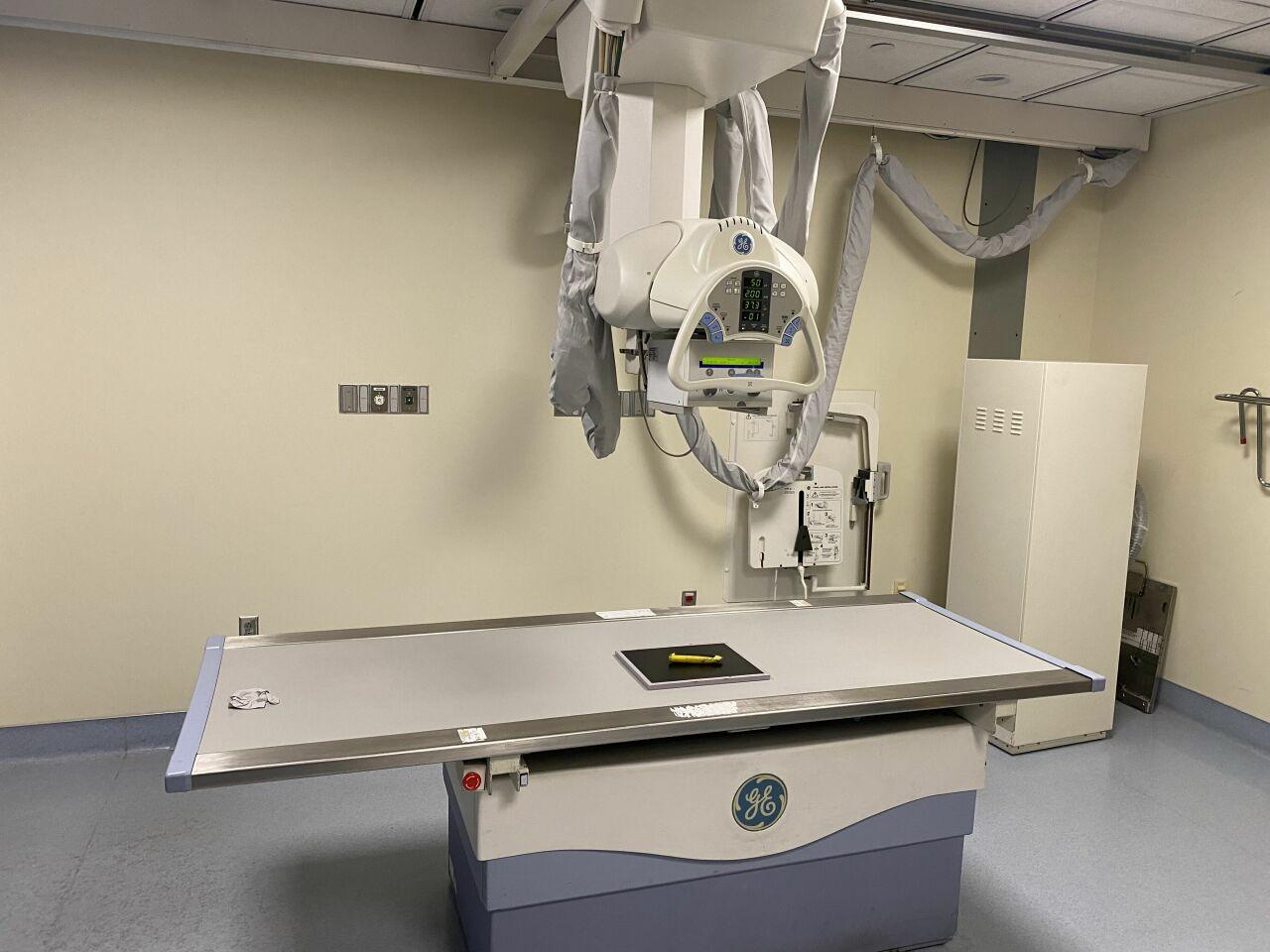
Practical considerations, risk points, and what to ask before you buy, service, move, or maintain imaging equipment.
When buying used X-ray equipment, look at the clinical use case, system type, detector, generator, tube, workstation, software, service history, parts availability, site requirements, installation support, and vendor credibility. The best used X-ray system is not simply the lowest-priced unit. It is the system that fits your room, workflow, patient volume, budget, and long-term service plan without creating avoidable downtime after installation.
A good quote should help you compare risk, not just line-item price. If a seller cannot explain what is included, what was tested, what parts are available, and what your site needs before delivery, slow down.
Start With the Clinical Use Case
Before comparing used X-ray systems, define what the room actually needs to do. A general radiography room, orthopedic office, urgent care clinic, outpatient imaging center, portable bedside workflow, and mobile program do not all need the same configuration.
Start with the exam mix, daily volume, fixed-room versus portable workflow, replacement versus new-room project, and whether the system must connect to PACS, RIS, modality worklist, or an existing network.
This matters because a low-cost system can become expensive if it is the wrong fit. A clinic that needs fast digital workflow may regret buying equipment with an outdated workstation or detector path. A replacement project may reuse existing infrastructure, but only if the new system fits the space, power, and workflow.
If you are still deciding between new, used, and refurbished options, start with X-ray equipment for sale, X-ray lifespan and maintenance, and parts availability. Use this checklist once you are comparing specific systems.
Choose the Right X-Ray System Type
Used X-ray equipment can mean several different things. Do not assume every quote is apples-to-apples.
Room-based radiography systems are common for outpatient imaging, clinics, hospitals, and high-volume practices. These may include a table, wall stand, tube stand, generator, collimator, detector, workstation, and control console.
Portable X-ray systems are built for flexibility. They may make sense for facilities that need imaging outside a fixed room, but they bring different service, battery, detector, and workflow considerations.
Digital upgrades or detector replacements may be enough if the existing room is mechanically sound and the biggest limitation is image capture or workflow. In other cases, upgrading one component of an older room creates a patchwork system that is harder to service.
When MIS reviews an X-ray request, the goal is not to push the most expensive option. It is to match the equipment to the facility so the room works after installation, not just on the invoice.
Inspect Condition, Documentation, and Major Components
The condition checklist is where many used X-ray purchases succeed or fail. “Working when removed” is not enough. That phrase tells you the system powered on at some point; it does not tell you whether it is ready for your site.
Ask for manufacturer, model, serial number, approximate age, full-system photos, service history, known faults, current software, workstation details, detector condition, tube/generator history where available, included accessories, removal status, and whether the system has been tested after removal.
Pay close attention to the detector and workstation. In many digital X-ray rooms, those components drive the workflow. A system can look clean cosmetically and still be a poor buy if the detector is unreliable, unsupported, or difficult to replace.
Also check what is missing. A quote that excludes a detector, workstation, wall stand, bucky, cables, or installation support may look cheaper than it really is. Missing parts turn into delays, freight charges, engineering time, and downtime.
Confirm Parts Availability and Serviceability
Used X-ray equipment should be evaluated as an operating asset, not just a purchase. The question is: can the system be maintained after it is installed?
Ask who can service the platform in your area, whether replacement parts are still available, and whether common failure items can be sourced without long delays. This includes detectors, generator boards, tubes, collimators, table components, workstation computers, interface hardware, and specialized cables.
Parts availability matters more as systems age. Some older platforms still have strong support because there is a deep installed base and parts ecosystem. Others become difficult to support because key components are scarce, software is locked down, or few technicians still work on the platform.
MIS supports equipment planning, medical imaging parts, and field service, so the buying conversation should include the post-installation service plan. If you cannot get parts or qualified service after the sale, the equipment price was not really a bargain.
Verify Site Fit Before You Commit
Site readiness is one of the most common places buyers underestimate the project. Used X-ray equipment still needs the right room, power, delivery path, shielding review, network setup, and service clearance.
Before buying, gather room dimensions, ceiling height, access-path photos, delivery constraints, existing equipment details, electrical notes if available, PACS/worklist requirements, local radiation-safety steps, and desired installation timeline.
Do not treat shielding, electrical work, or regulatory steps casually. Requirements vary by site, state, room design, equipment type, and clinical use. MIS can help identify the equipment-side questions, but facility teams still need the appropriate local professionals for site approval and compliance work.
Evaluate the Vendor, Not Just the Equipment
The vendor is part of the risk profile. A good used X-ray seller should be able to explain what is included, what was tested, what is unknown, and what support is available after the sale.
Ask whether the vendor specializes in medical imaging, can explain the configuration clearly, has engineering or service support, discloses known faults and missing components, supports logistics and installation planning, and writes quote terms and exclusions clearly.
MIS is a full-service imaging equipment company, not just a reseller. That matters because equipment, parts, service, logistics, and installation questions are connected. A clean quote should make those connections visible before the system ships.
What to Send Before Requesting a Used X-Ray Quote
The fastest way to get a useful quote is to send enough information upfront. You do not need a perfect technical package, but a few details help prevent the wrong recommendation.
Send facility location, clinical use case, expected exam mix, preferred system type, current equipment details if replacing a room, room photos or drawings, delivery constraints, PACS/RIS/worklist requirements if known, timeline, budget context, and service expectations.
That information helps MIS compare available X-ray equipment, identify missing project costs, and recommend a path that fits the site. If you are ready to scope options, start with the equipment quote form or use contact if you are still early in planning.
FAQ
Is used X-ray equipment worth buying?
Yes, used X-ray equipment can be a strong value when the system fits the clinical use case, has available parts, includes the right components, and is supported by a qualified service plan. The risk comes from buying only on price and discovering missing detectors, workstation issues, site-fit problems, or poor parts availability later.
How old is too old for an X-ray system?
There is no universal cutoff. Age matters, but service history, parts availability, detector condition, software support, usage, and vendor support often matter more. An older system with accessible parts and good documentation may be safer than a newer system with missing components or limited service options.
What are the most expensive X-ray parts to consider?
The most important cost drivers often include the detector, tube, generator components, workstation, specialized boards, table or stand components, and proprietary interface hardware. Exact cost depends on manufacturer, model, condition, availability, and whether parts are new, used, or refurbished.
Can used X-ray equipment connect to PACS?
Often, yes, but it depends on the system, workstation, software, network configuration, and DICOM capabilities. Confirm PACS, RIS, modality worklist, AE title, IP, port, and routing requirements before installation. Do not assume an older workstation will connect cleanly without review.
What should I send when requesting a used X-ray equipment quote?
Send your facility location, clinical use case, desired system type, room photos or drawings, current equipment details if replacing a room, delivery constraints, timeline, budget context, and service expectations. The more context you provide, the more accurate the quote can be.
Can MIS help with parts or service after purchase?
Yes. MIS supports imaging equipment sales, parts sourcing, field service, preventive maintenance, and replacement planning. For used X-ray equipment, that post-sale support is often as important as the purchase itself.
Schema Recommendation
Use Article or BlogPosting schema for the post and FAQPage schema for the FAQ section. BreadcrumbList is also appropriate. Avoid Product or Offer schema unless a specific live inventory item has approved condition, price, and availability details. A downloadable used X-ray buying checklist could also be used as a future conversion asset.
Buying used X-ray equipment? Send MIS the room details, clinical use case, timeline, and service expectations so the team can match available options to your site instead of forcing your site around the wrong system. Start with request a quote or contact MIS.
Need help with this exact problem?
Send the modality, site location, timeline, and any system details. MIS will route the request by intent.
Related resources
Buyer's Desk
What Is a Fair Price for Used X-Ray Equipment?
A fair used X-ray equipment price depends on scope, detector condition, site readiness, installation, service, parts, and support.
Buyer's Desk
How Much Does Used Medical Imaging Equipment Cost?
Used medical imaging equipment cost depends on modality, model, condition, site work, installation, service, parts, and support scope.
Buyer's Desk
Best Used MRI for an Outpatient Imaging Center
Choose the right used MRI for an outpatient center by matching field strength, bore size, coils, site needs, service, and volume.