
Buyer's Desk
Who Buys Used CT Scanners? What Sellers Should Know
June 14, 2026 · 6 min · Medical Imaging Specialists
Practical considerations, risk points, and what to ask before you buy, service, move, or maintain imaging equipment.
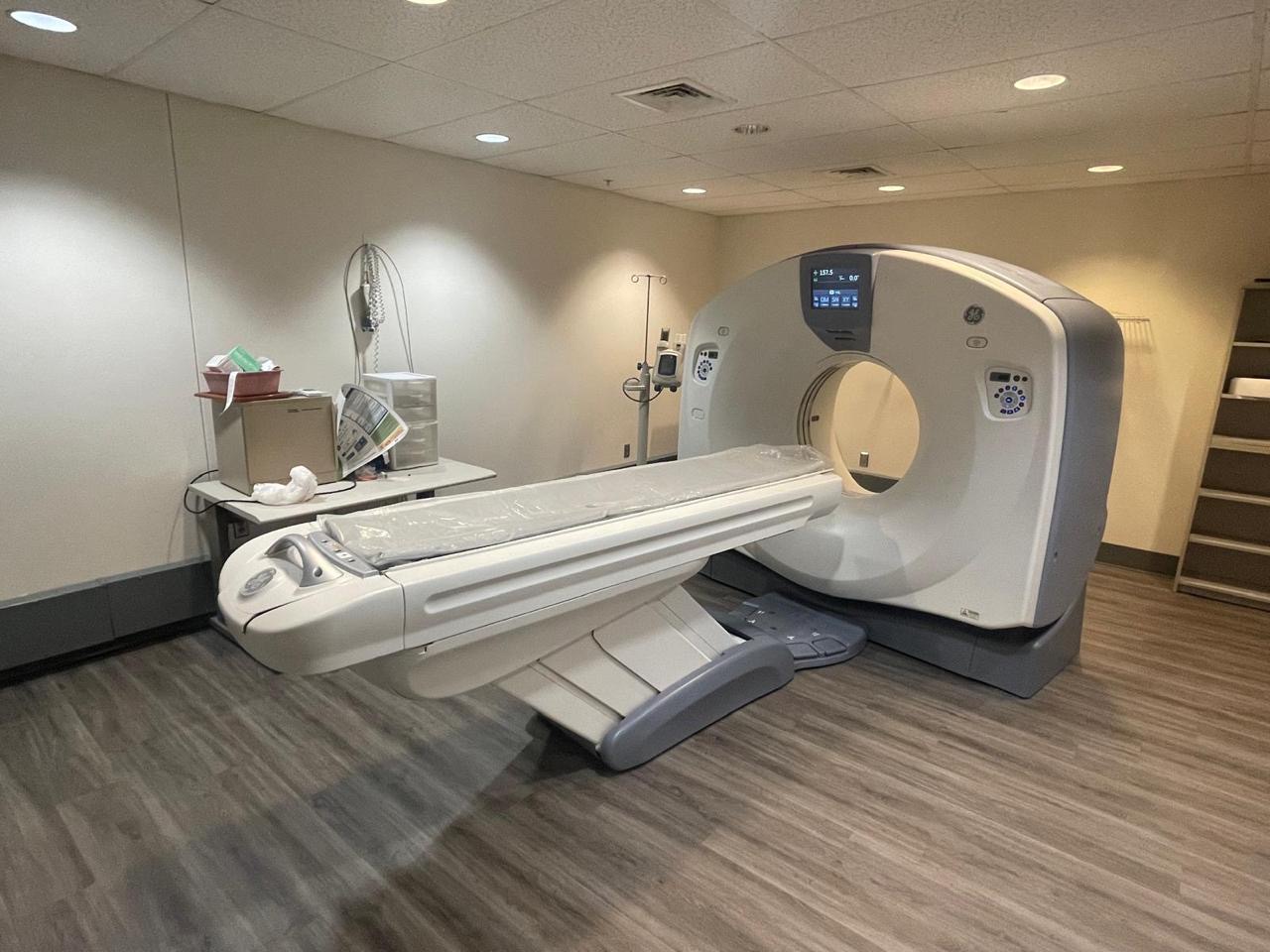
Used CT scanners are usually bought by refurbished equipment dealers, full-service imaging companies, hospitals or imaging centers, international buyers, mobile imaging operators, parts suppliers, and service organizations. The right buyer depends on CT model, slice count, tube and detector condition, software, service history, site location, removal difficulty, and whether the scanner is still running. A serious buyer will ask for more than the model name before making a real offer.
If you are selling a CT scanner, the goal is not just finding someone who says they buy used equipment. The goal is finding a buyer who can evaluate the asset honestly, protect the equipment during removal, and give you a clear path for sale, trade-in, parts recovery, or replacement.
Who buys used CT scanners?
The strongest used CT buyers are usually companies that already work across the full equipment lifecycle: buying systems, deinstalling them, refurbishing them, sourcing parts, installing replacements, and supporting scanners in the field. A broker may be able to find a buyer, but a full-service imaging company can usually evaluate more of the project: equipment value, removal cost, serviceability, parts demand, and replacement options.
Common used CT scanner buyers include refurbished equipment dealers, full-service imaging companies, hospitals or outpatient centers, mobile imaging operators, international buyers, parts suppliers, service companies, and trade-in partners when the seller is replacing the scanner.
MIS sits in that full-service category. The conversation can include purchase, trade-in, deinstallation, crating, freight, refurbishment, parts, service, leasing, and replacement planning.
What CT scanners are buyers looking for?
Buyer interest depends on the scanner’s clinical usefulness and support path. A complete, running CT with known history is easier to evaluate than a powered-down scanner with missing records.
Slice count matters, but it is not the only factor. Buyers still look for supportable 16-slice, 32-slice, 64-slice, and higher-slice systems depending on the use case. A 16-slice scanner may fit urgent care, veterinary, lower-volume outpatient, or basic body CT needs. A 64-slice or higher system may attract buyers who need higher throughput, vascular work, or a stronger replacement platform.
Manufacturer and model matter because parts availability, service ecosystem, software options, tube cost, detector condition, and install base all affect the next user’s risk.
If you are not sure whether your CT is still a good resale candidate, compare it against what to look for when buying a used CT scanner and how long refurbished CT scanners last. The same buyer questions shape your scanner’s value.
What affects a used CT offer?
A used CT scanner’s value is built from confidence. The more a buyer can verify, the easier it is to price the system.
Start with the core asset details: manufacturer, model, slice count, serial number, install year, software level, console package, table condition, tube status, detector condition, and whether the scanner is currently operational. Tube history is especially important, so disclose available tube data, recent tube changes, error codes, or service findings.
Detector condition matters too. Image artifacts, calibration problems, failed modules, or unknown detector history can push a buyer toward a more conservative offer. The console, workstation, PDU, table, injector, and accessories should also be documented.
Service records help. Preventive maintenance history, recent corrective service, known faults, and uptime notes reduce guesswork. If the scanner is still under power and can be inspected, that is usually better than waiting until after shutdown.
For the broader resale framework, see what affects used medical imaging equipment resale value.
Deinstallation changes the deal
Selling a CT scanner is not just an equipment transaction. It is also a removal and logistics project.
A buyer needs to know where the scanner is located, how it can leave the room, whether a dock is available, what floor it is on, whether elevators are involved, whether rigging is required, and whether the facility has construction, security, or after-hours rules. Tight corridors, low ceilings, poor dock access, short removal windows, or a hard deadline can all affect the net economics.
This is where sellers get into trouble. They accept a number before anyone has reviewed the access path, then discover the removal plan is vague or expensive.
Send photos early: gantry, table, console, labels, equipment room, hallway route, doorways, elevator if relevant, dock, exterior access, and known obstacles. Keep every photo free of patient information. Do not include patient names, images, schedules, reports, or protected health information in console photos or screenshots.
For more on the project side, read medical imaging equipment deinstallation, shipping, and installation.
Can a non-working CT still be sold?
Often, yes. A non-working CT scanner may still have resale, refurbishment, export, or parts value. The answer depends on what failed, whether the scanner is complete, what parts are usable, and how hard it will be to remove.
A CT with a known tube issue is different from a scanner with unknown detector artifacts, missing console hardware, water damage, or incomplete accessories. Be direct about the condition. Hidden problems usually create more trouble than the disclosure would have.
Some systems are better candidates for parts recovery than resale. Tubes, detectors, boards, tables, consoles, and power components can still support other systems if the model has demand and the parts are recoverable. MIS can review whether a CT is more likely to be a resale, trade-in, refurbishment, removal-only, or parts candidate through its parts and service perspective.
What to send before asking for an offer
The fastest way to get a useful answer is to send a complete, organized package. A message that says “We have a GE CT for sale” is not enough.
Collect this before contacting a buyer:
- Manufacturer, exact model, slice count, serial number, and install year
- Operating status: scanning, idle, down, or powered off
- Tube model, tube history, detector condition, and known image-quality issues
- Console, workstation, table, injector, PDU, accessories, and software/options
- Recent PM records, service reports, error codes, and known faults
- Photos of the scanner, labels, console, room, equipment area, and access path
- Site location, floor level, dock/elevator details, and target removal date
- Whether you want to sell, trade in, replace, relocate, or part out the system
The point is not to make the seller do the buyer’s job. The point is to keep the first conversation grounded in facts instead of guesses.
Common mistakes when selling a used CT scanner
The first mistake is waiting until the replacement project is already in motion. Once construction starts or a new scanner delivery date is fixed, the outgoing CT becomes a scheduling problem. Start while the scanner is still installed, complete, and available for inspection.
The second mistake is separating the equipment offer from removal responsibility. Ask who handles deinstallation, loading, freight, insurance, and building protection. A higher offer can become weaker if the removal plan is unclear.
The third mistake is losing small but important items. Workstations, manuals, cables, options documentation, injector components, and accessory hardware can affect the scanner’s next life.
The fourth mistake is using online listing prices as a valuation. Asking prices are not sale prices. Real value depends on condition, completeness, supportability, parts demand, buyer demand, and logistics.
If selling the CT is part of a replacement plan, MIS can also help compare refurbished imaging equipment, leasing, mobile imaging leasing, service coverage, and replacement timing.
FAQ
Who is the best buyer for a used CT scanner?
The best buyer is usually one that can evaluate both the CT and the removal project. Look for experience with CT equipment, deinstallation, logistics, refurbishment, parts, installation, and service support instead of only the highest verbal offer.
Do CT tubes affect resale value?
Yes. Tube condition, tube model, tube history, usage data, and recent tube service can materially affect the value of a used CT scanner. Missing or uncertain tube information usually increases buyer risk.
Can MIS buy or trade in my used CT scanner?
MIS can review the system details, condition, site access, removal timing, and replacement needs to determine whether the CT is a purchase, trade-in, refurbishment, parts, service, or removal candidate.
Should I sell the CT separately or trade it toward replacement equipment?
It depends on timing, value, logistics, and your replacement plan. If you are buying another CT or adding mobile capacity, a trade-in or coordinated replacement may reduce scheduling friction compared with treating the sale and purchase as separate projects.
Schema recommendation
Use Article or BlogPosting schema for this post and FAQPage schema for the FAQ section. Consider Service schema on dedicated sell-your-equipment, deinstallation, service, or trade-in pages where the wording is approved. Avoid Product schema unless the page is tied to a specific available CT listing.
Selling or replacing a CT scanner? Send MIS the manufacturer, model, serial number, slice count, tube history, service records, photos, condition notes, site location, and target removal date through the quote page or contact page so the team can review the asset and the removal plan together.
Need help with this exact problem?
Send the modality, site location, timeline, and any system details. MIS will route the request by intent.
Related resources
Buyer's Desk
What Is a Fair Price for Used X-Ray Equipment?
A fair used X-ray equipment price depends on scope, detector condition, site readiness, installation, service, parts, and support.
Buyer's Desk
How Much Does Used Medical Imaging Equipment Cost?
Used medical imaging equipment cost depends on modality, model, condition, site work, installation, service, parts, and support scope.
Buyer's Desk
Best Used MRI for an Outpatient Imaging Center
Choose the right used MRI for an outpatient center by matching field strength, bore size, coils, site needs, service, and volume.