
Buyer's Desk
Should You Repair or Sell Your Old CT or MRI System?
June 17, 2026 · 7 min · Medical Imaging Specialists
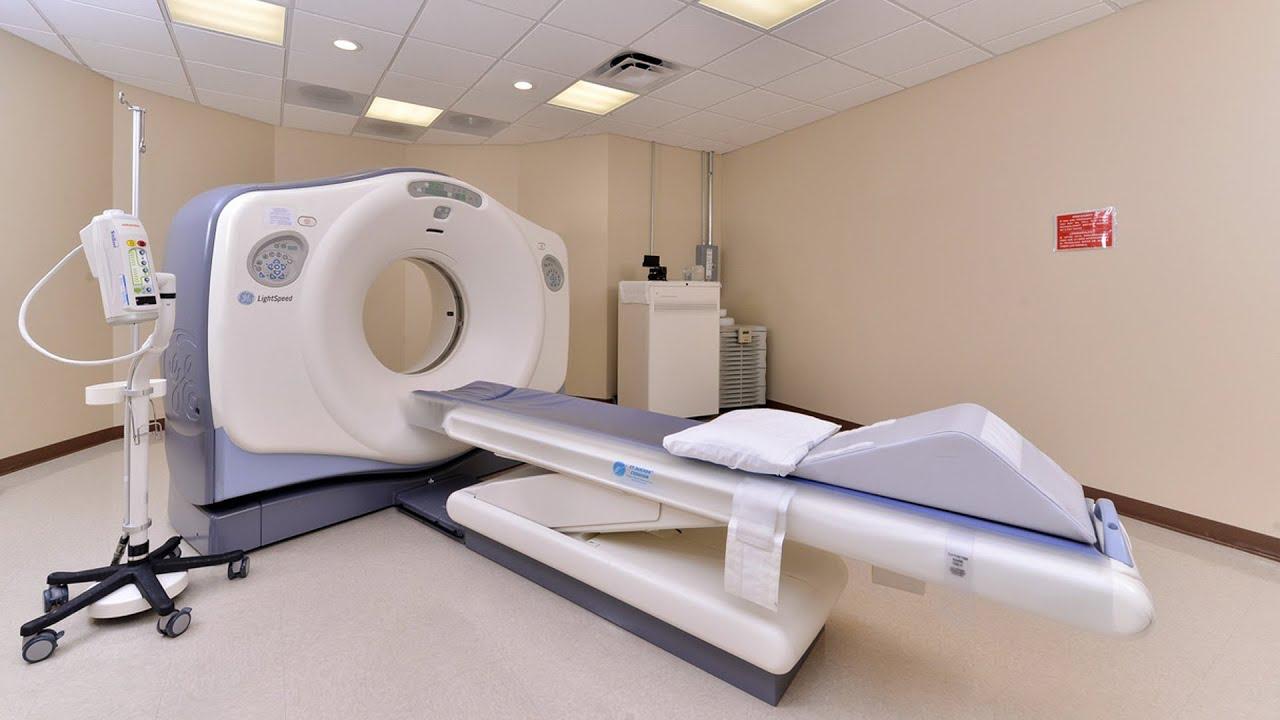
Practical considerations, risk points, and what to ask before you buy, service, move, or maintain imaging equipment.
You should repair an old CT or MRI system when the failure is isolated, parts are available, downtime is manageable, and the scanner still meets your clinical needs. You should consider selling, trading, or replacing it when repair costs are rising, outages are repeating, critical parts are hard to source, image quality or workflow is falling behind, or the system still has enough residual value to offset the next move. The right answer depends on service history, parts availability, current demand, removal complexity, and the replacement timeline.
The mistake is treating repair and resale as separate decisions. They are connected.
Start with the real operating problem
Before deciding whether to repair or sell, define what actually failed. One known board, chiller issue, coil problem, or tube event is different from months of recurring faults and no clean diagnosis.
For CT, look at tube history, detector behavior, table motion, workstation errors, cooling, power quality, and whether artifacts or aborts are becoming routine. For MRI, review magnet stability, chiller performance, RF chain issues, coils, gradients, and image artifacts. A trend is a business problem.
Pull the last 12 to 24 months of service calls, PM reports, error logs if available, major parts replacements, downtime days, and repeat failures. If the scanner has needed three emergency visits for related issues, ask what that pattern costs if it continues.
For a broader repair-versus-replacement framework, read MIS’s guide on when to replace vs. repair a CT or MRI scanner.
Repair makes sense when the risk is contained
Repair is usually right when the system is clinically useful, the failure is understood, parts can be sourced with reasonable confidence, and the cost fits the remaining value of the equipment.
That can mean replacing a known failed board, addressing a chiller issue before it damages MRI uptime, resolving a CT cooling or power issue, or keeping the system operational during a planned replacement window. A controlled repair can preserve revenue and keep the scanner attractive for resale or trade.
A repair plan should name the suspected failed subsystem, diagnosis confidence, parts lead time, support path, and what happens if the repair does not solve the issue. If those answers are vague, slow down. MIS supports medical imaging equipment parts and field service, but the right path starts with accurate system details, not guessing from a symptom.
Selling or trading makes sense when the trend is bigger than the repair
Selling, trading, or replacing starts to make more sense when the scanner is still valuable enough to move but too risky to keep as your primary production system.
Common triggers include rising annual repair spend, repeated outages, long parts lead times, obsolete software, declining referral confidence, image-quality limitations, or a clinical program that has outgrown the equipment. A 16-slice CT can still have value, but it may not be right for a busy site that needs faster throughput. An older MRI may still scan, but limited coils, bore size, software, or environmental reliability can hold the schedule back.
Timing matters. A working installed system is easier to evaluate than a disconnected machine with missing accessories and unknown status. If you wait until the scanner is fully down, under construction pressure, or already removed, the resale conversation often gets weaker.
If replacement is likely, review what affects used medical imaging equipment resale value before disconnecting anything. The best sale or trade-in outcome comes from a complete equipment story: make, model, serial number, software, accessories, service records, condition, photos, and removal path.
Use a repair-or-sell scorecard
A simple scorecard keeps the decision out of opinion territory.
First, annual service cost. Add service calls, parts, labor, repeat visits, and downtime-related costs. A rising 12-month trend is a warning.
Second, uptime pattern. Count how often the system is down, how long it stays down, and whether the same issue keeps returning.
Third, parts support. Ask whether critical components are available from real sources. For CT, that may include tube, detector, boards, power supplies, and cooling components. For MRI, it may include coils, gradient/RF modules, chillers, cold-head-related support, and electronics.
Fourth, clinical adequacy. If the scanner no longer supports the exams, throughput, software, or image quality your site needs, repair will not fix that.
Fifth, residual value. A system may be worth more sold, traded, refurbished, exported, or parted out now than after another year of outages. If replacement is likely, compare the old system’s value against refurbished CT options, refurbished MRI options, or a project quote through /quote.
Do not damage resale value while deciding
Facilities often weaken their position by moving too fast. Do not strip accessories, discard workstations, lose coils, remove manuals, throw away service documentation, or let cables and components become unlabeled. Missing pieces can turn a usable system into a parts project.
Photos matter too. Take clear images of the scanner, table, console, cabinets, coils, detectors, labels, serial plates, accessories, room layout, hallway path, dock, and access constraints. Remove patient information from screens, reflections, labels, reports, schedules, and screenshots. No PHI belongs in a resale or service request.
Deinstallation planning should start before the final decision if replacement is likely. Removal cost and complexity affect net value. MIS’s guide to deinstalling and selling medical imaging equipment explains what to document before removal starts.
Sometimes the right answer is repair now and sell later. That can work when the system has a known fix and the facility needs time for capital approval, site planning, leasing, construction, or installation scheduling. Set a ceiling: how much will you spend, and what failure ends the bridge plan? If fixed-site downtime threatens patient volume, review /leasing/mobile or the general leasing program while the permanent plan is built.
What to send MIS for a practical recommendation
To review whether repair, sale, trade-in, parts recovery, leasing, or replacement makes sense, send MIS the modality, manufacturer, model, serial number, software level if known, current status, known errors, service records, major parts history, photos without PHI, accessories, site location, access constraints, urgency, and target timeline.
Be clear about the decision. “We need this CT running by Monday” is different from “we are deciding whether to repair this MRI or trade it toward a refurbished replacement.” The more honest the context, the better the recommendation.
MIS can look at the equipment, the service path, the parts situation, and the next asset decision together. The cheapest repair today is not always the best financial move, and the highest resale idea is not real if the system cannot be removed, documented, or supported.
If you are at the decision point, contact MIS through /contact or request a project review through /quote. Bring the service history and the system story. That is where the real answer lives.
FAQ
Should I repair my CT scanner or sell it?
Repair it if the problem is isolated, parts are available, the scanner still meets your clinical needs, and the cost fits the system’s remaining value. Consider selling, trading, or replacing if failures are recurring, downtime is rising, or parts support is becoming uncertain.
Should I repair my MRI or trade it in?
It depends on magnet condition, chiller reliability, coil package, software, service history, clinical demand, and removal complexity. A stable MRI with one known issue may be worth repairing. Recurring environmental, RF, gradient, or coil problems may point toward replacement or trade-in review.
Can a non-working CT or MRI still be sold?
Often, yes. Non-working systems may still have resale, refurbishment, export, or parts value depending on model, completeness, condition, accessories, and demand. Value is easier to evaluate when the fault, service history, and included components are documented.
What should I send before asking whether to repair or sell?
Send the modality, manufacturer, model, serial number, service history, symptoms, known errors, major parts replacements, operating status, accessories, non-PHI photos, location, removal constraints, and timeline. Those details help separate a repair opportunity from a sale, trade-in, or parts recovery opportunity.
Is a refurbished replacement better than repeated repairs?
Sometimes. A refurbished CT or MRI can make sense when an older scanner is costing too much in downtime, service calls, parts risk, or lost clinical capability. The right comparison is repair risk versus the total cost and uptime profile of a properly selected refurbished system.
Schema recommendation
Use Article or BlogPosting schema for the post and FAQPage schema for the FAQ section. Consider Service schema only on dedicated repair, deinstallation, equipment-sale, or leasing pages with approved wording. Use Product schema only on specific equipment listing pages, not on this general decision guide.
Need help with this exact problem?
Send the modality, site location, timeline, and any system details. MIS will route the request by intent.
Related resources
Buyer's Desk
What Is a Fair Price for Used X-Ray Equipment?
A fair used X-ray equipment price depends on scope, detector condition, site readiness, installation, service, parts, and support.
Buyer's Desk
How Much Does Used Medical Imaging Equipment Cost?
Used medical imaging equipment cost depends on modality, model, condition, site work, installation, service, parts, and support scope.
Buyer's Desk
Best Used MRI for an Outpatient Imaging Center
Choose the right used MRI for an outpatient center by matching field strength, bore size, coils, site needs, service, and volume.