
Buyer's Desk
How Much Does a Used or Refurbished PET/CT Cost?
June 20, 2026 · 6 min · Medical Imaging Specialists
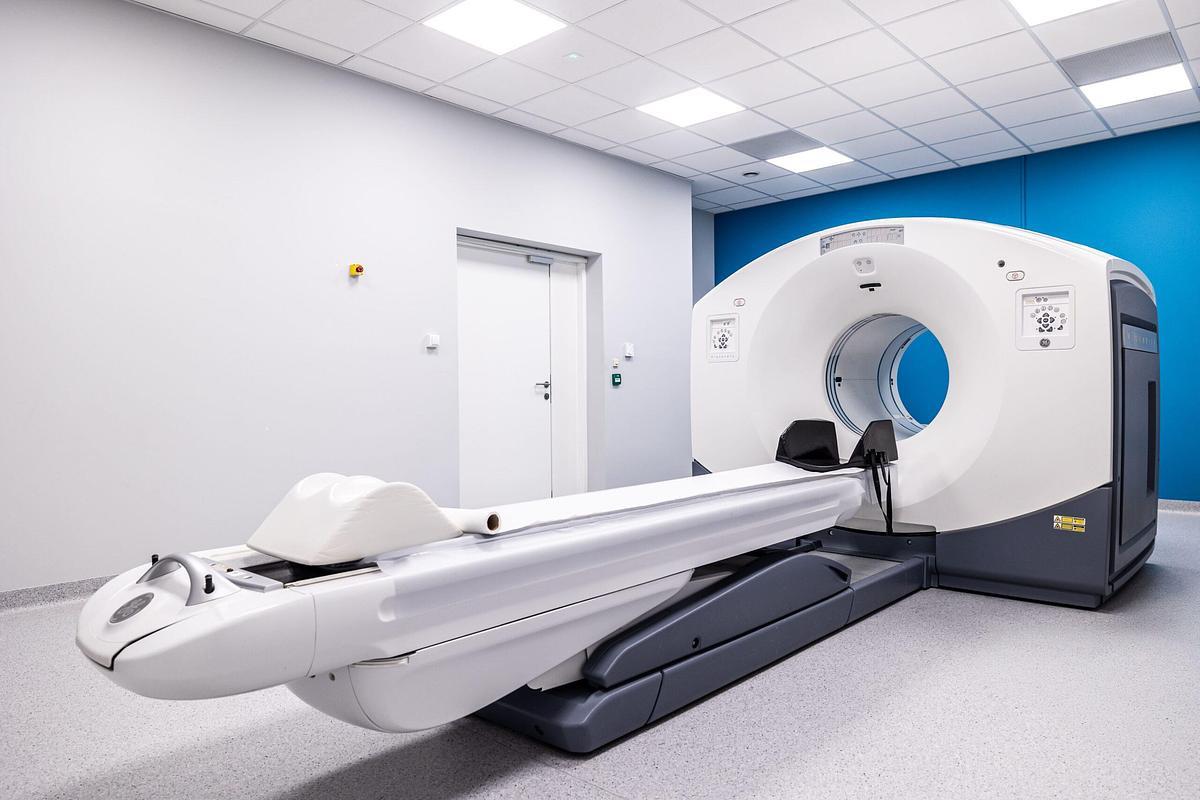
Practical considerations, risk points, and what to ask before you buy, service, move, or maintain imaging equipment.
Considering a lease instead?
Equipment, service, PMs, parts, and applications support can be bundled into one monthly payment.
If this article is about financing, ROI, service contracts, or total cost of ownership, the leasing model may simplify the decision.
A used or refurbished PET/CT scanner can range from an older, lower-cost analog system to a late-model digital platform priced like a major capital project. Cost depends on PET detector technology, CT slice count, age, software, tube and detector condition, service history, installation scope, site readiness, and whether service, parts, applications support, and logistics are included. The right question is not just “What is the scanner price?” It is “What is the all-in project cost to get this system installed, accepted, supported, and producing studies?”
That distinction matters because PET/CT is not a normal CT purchase with a PET label added. It is two risk profiles in one machine.
What drives used PET/CT scanner cost?
The first major driver is the PET side of the system. Older PET/CT platforms may use BGO detector technology. Newer or higher-performance systems may use LYSO, Time-of-Flight, or digital detector architecture. Those differences affect acquisition price, clinical capability, parts exposure, and the type of oncology program the system can support.
The second driver is the CT base. A PET/CT with a 16-slice CT is not priced the same as a 64-slice or 128-slice system. Slice count, tube condition, generator health, software options, workstation configuration, and dose-management tools all change the value. Buyers sometimes focus on the PET nameplate and forget that the CT tube is still one of the biggest service-risk items in the deal.
Generation matters, but not by itself. A clean prior-generation system with documented service, known detector performance, a reasonable tube position, and available parts can be a smarter buy than a newer-looking system with weak documentation.
If you are still comparing platform families, start with the broader refurbished PET/CT buying guide and the GE vs. Siemens PET/CT comparison. For current equipment conversations, MIS can also quote systems through the PET/CT equipment page or PET/CT cost guide.
Why public PET/CT prices can be misleading
Public listings usually show only part of the story. One listing may be equipment-only, sitting in place, buyer responsible for removal. Another may include deinstallation, freight coordination, installation, applications training, warranty support, and a service plan. Those are not the same offer.
Condition also changes the number fast. A PET/CT with weak detector modules, missing software, unknown normalization history, high CT tube usage, incomplete accessories, or limited service documentation should not be compared against a fully tested, project-scoped refurbished system. The cheaper unit can become more expensive if it needs major parts or stalls during installation.
Availability changes too. PET/CT inventory is thinner than CT or general X-ray inventory. A buyer looking for a specific manufacturer, crystal technology, slice count, software package, and install window may have fewer viable systems than expected. Flexibility usually lowers cost. Narrow requirements usually raise it.
Compare quotes by asking each vendor to define the scope in writing: equipment condition, accessories, tube status, PET detector status, software/options, deinstall responsibility, freight, rigging, installation support, training, service coverage, parts availability, and exclusions.
Budget beyond the scanner price
PET/CT projects carry costs that do not appear in a simple equipment quote. Site work is one of them. The room has to support the CT and PET workflow, shielding expectations, power, HVAC stability, floor loading, network connectivity, control-room layout, patient flow, and hot-lab/radiopharmacy logistics. The exact requirements depend on the system, the facility, the intended studies, and the professionals responsible for site design and radiation-safety planning.
Logistics are another major line item. A PET/CT has to be deinstalled correctly, protected during transport, moved through the building safely, delivered to the receiving site, rigged into position, installed, calibrated, and brought into clinical workflow. Shortcuts in the handoff chain can damage equipment or delay go-live. For a deeper look at this chain, read the deinstall, shipping, and installation guide.
Service planning belongs in the first budget meeting, not after install. Ask how preventive maintenance will be handled, where critical parts will come from, who owns response time, and what happens if the system is down. Detector modules, CT tubes, workstations, cooling, gantry components, and acquisition computers all need a service path.
For facilities that want PET/CT capacity without a straight purchase, leasing may be part of the discussion. MIS supports quote-based purchase and leasing conversations, including mobile imaging where appropriate. See equipment leasing and mobile imaging leasing when capacity timing matters more than ownership on day one.
A practical PET/CT quote checklist
Before asking for a PET/CT quote, gather the information that affects fit and price. A serious vendor should want more than “send me your cheapest PET/CT.”
Bring these details:
- Clinical use case and expected study volume.
- Preferred manufacturer or installed base, if any.
- CT slice-count requirement and whether cardiac CT is part of the plan.
- PET technology preference, such as BGO, LYSO, Time-of-Flight, or digital.
- Site status: existing PET/CT room, new build, replacement project, or mobile need.
- Timeline and service expectations.
- Known constraints: room size, rigging path, hot lab, radiopharmacy, state/physics steps, network/PACS routing, and staffing.
Do not send patient information, accession data, reports, or screenshots containing PHI. If you are sending logs, labels, room photos, or prior service documents, redact anything that does not belong in an equipment quote.
Common mistakes buyers make
The first mistake is buying by price alone. A PET/CT is too service-sensitive for that. If the vendor cannot explain detector condition, CT tube position, service history, parts path, and install scope, the low number is not enough information.
The second mistake is overbuying clinical capability. A digital, high-slice platform may be the right answer for a busy oncology program with advanced protocols. It may be unnecessary for a lower-volume outpatient facility that needs a dependable workhorse and predictable service economics. Better hardware is only better if your volume, reimbursement, staffing, and referral base can use it.
The third mistake is leaving site planning until late. PET/CT touches building systems, radiation-safety planning, radiopharmacy coordination, IT, PACS, scheduling, staffing, and service access. If those parties come in after scanner selection, the room can become the expensive surprise.
The fourth mistake is comparing refurbished quotes without comparing support. A quote from an engineer-led refurbisher with parts inventory, deinstall capability, installation support, and service coverage is not the same as a brokered system sold “as-is where-is.”
FAQ
How much should I budget for a refurbished PET/CT?
Budgeting should start with a broad planning range, then tighten around the exact system and project scope. Older analog systems sit at the lower end of the refurbished market, while Time-of-Flight, LYSO, and digital PET/CT platforms can move much higher. Final cost depends on detector technology, CT slice count, tube and detector condition, software, logistics, installation, and service coverage.
Is a used PET/CT cheaper than a refurbished PET/CT?
Usually, but the words matter. “Used” may mean the system is being sold out of service with limited testing or support. “Refurbished” should mean it has been inspected, repaired where needed, cosmetically and mechanically prepared, documented, and scoped for install and support. Always ask what the vendor means by refurbished.
What is the biggest PET/CT cost driver?
PET detector technology and CT slice count are major drivers, but condition can override both. A system with a weak detector path or poor CT tube position can carry more risk than the model name suggests.
Should I buy PET/CT or lease it?
It depends on volume, capital budget, timeline, and how permanent the need is. Purchase can make sense for a stable long-term oncology program. Leasing or mobile leasing can make sense for interim capacity, construction coverage, program testing, or faster deployment.
What should be included in a PET/CT quote?
Ask for equipment configuration, condition notes, included accessories, software/options, tube status, PET detector status, deinstall and freight scope, installation support, applications training, service terms, parts path, and exclusions. If it is not written down, do not assume it is included.
Schema recommendation
Use Article or BlogPosting schema for the post and FAQPage schema for the FAQ section. Because this is a buyer-intent equipment topic, the related PET/CT equipment and cost-guide pages can also support Product or Service schema where the site has approved equipment and quote information.
Talk to MIS before you price the wrong system
If you are evaluating a used or refurbished PET/CT, send MIS your clinical use case, timeline, site status, slice-count needs, service expectations, and budget constraints. Start with the PET/CT equipment page, request a project quote through /quote, or contact the team through /contact. MIS can help compare scanner fit, install path, service plan, parts risk, and real go-live cost before you commit.
Need help with this exact problem?
Send the modality, site location, timeline, and any system details. MIS will route the request by intent.
Related resources
Ops Playbook
How Long Does CT Scanner Installation Take? Planning Guide
CT scanner installation timing depends on site readiness, rigging, power, cooling, shielding review, IT, service support, and project scope.
Buyer's Desk
What Is a Fair Price for Used X-Ray Equipment?
A fair used X-ray equipment price depends on scope, detector condition, site readiness, installation, service, parts, and support.
Buyer's Desk
How Much Does Used Medical Imaging Equipment Cost?
Used medical imaging equipment cost depends on modality, model, condition, site work, installation, service, parts, and support scope.