
Buyer's Desk
Can I Sell Medical Imaging Equipment That Is Not Working?
June 16, 2026 · 6 min · Medical Imaging Specialists
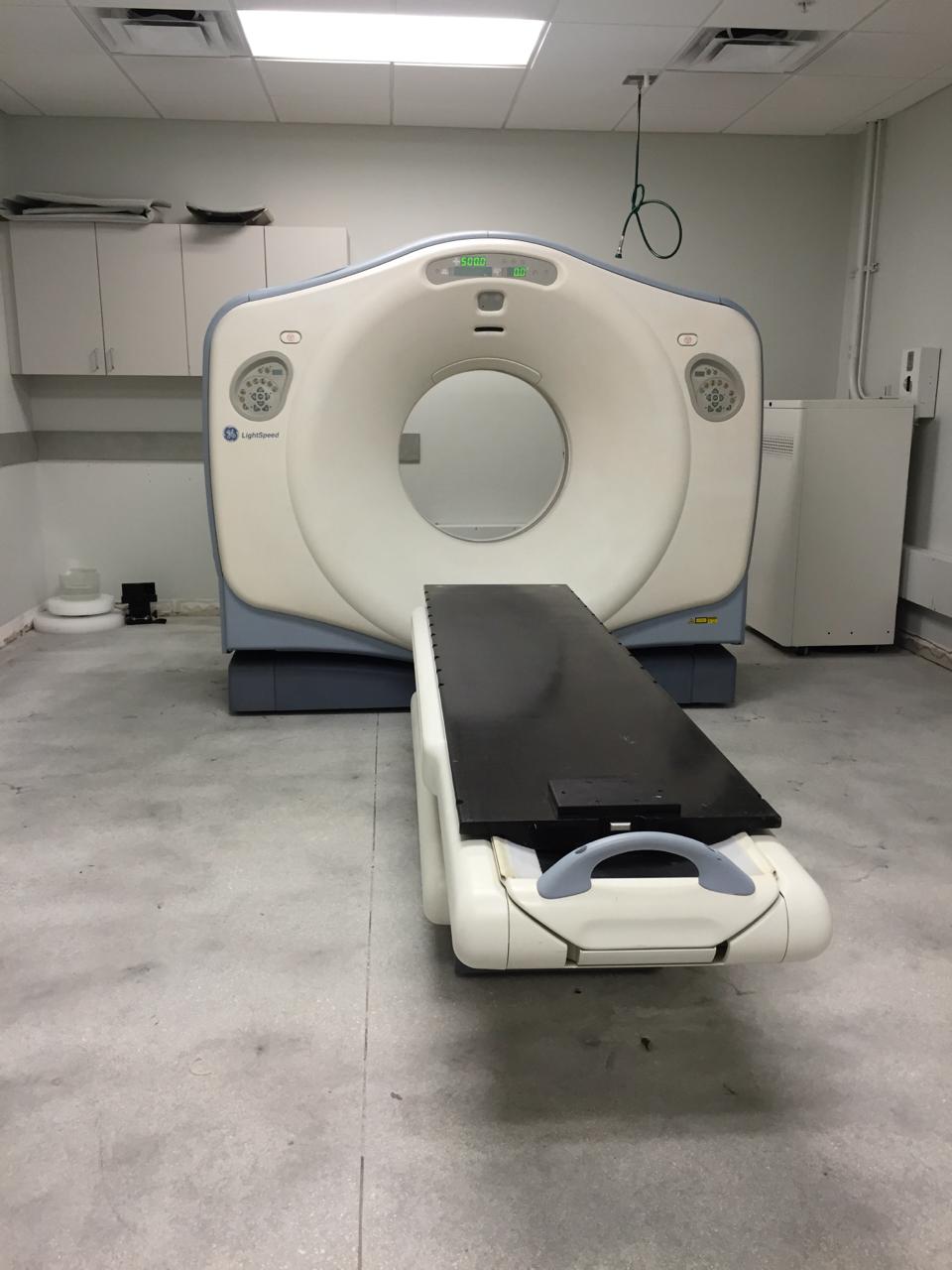
Practical considerations, risk points, and what to ask before you buy, service, move, or maintain imaging equipment.
Yes, you can often sell medical imaging equipment that is not working, but the path depends on the modality, model, age, missing parts, failure history, location, removal complexity, and parts demand. A down CT, MRI, PET/CT, X-ray, C-arm, ultrasound, DEXA, or cath lab system may still have resale, trade-in, refurbishment, parts, or removal value. Be direct about the condition before anyone prices the asset or plans pickup.
If you are trying to move a non-working system, do not start by guessing value. Start by documenting what the system is, what failed, what is included, and how hard it will be to remove.
Non-working does not always mean worthless
Medical imaging equipment is not valued like office furniture. A system can be clinically down and still contain valuable components, accessories, software configuration, tables, coils, detectors, generators, boards, tubes, workstations, or support equipment.
The opposite is also true. A scanner that looks complete may have limited value if the platform is obsolete, parts demand is low, major components are missing, or removal costs exceed the opportunity.
That is why the first question is not simply, “Does it power on?” The better question is: what useful value remains in the equipment, and who can recover it responsibly?
MIS looks at non-working equipment from several angles: repair, refurbishment, parts recovery, trade-in, as-is sale, or removal as part of a larger project. Those outcomes require different information.
For a broader seller intake checklist, see what documents and photos to send before selling used medical imaging equipment.
What affects the value of a down imaging system?
Condition matters, but it is only one factor. A non-working system with the right configuration, complete accessories, clean documentation, and accessible removal path may be more attractive than a working system with missing parts and poor logistics.
The main value drivers usually include modality, manufacturer, model, generation, configuration, age, serial number, software/options, accessory package, missing parts, known failure, service history, current location, access path, removal timeline, and current demand for that model as a working system or parts source.
Be careful with informal appraisals. A single failed component can change the economics, but so can a missing coil package, unavailable software option, bad access path, or rushed removal deadline. A real review needs system details and logistics, not just a photo of the gantry.
Repair, sell, trade, or part out?
There are usually four practical paths for non-working imaging equipment.
First, repair may make sense if the system still fits the facility, parts are available, downtime is manageable, and the repair cost is reasonable compared with replacement.
Second, selling as-is may work when the buyer understands the fault and has a plan to repair, refurbish, export, or recover components. This requires honest condition notes. Hiding a known issue wastes time and usually lowers trust once the problem appears.
Third, trade-in can be useful when the non-working unit is being replaced with refurbished equipment. The outgoing system may offset part of the project, simplify removal planning, or create a cleaner transition.
Fourth, parts recovery may be the right answer when the complete system has limited resale value but certain components are still useful. CT tubes, detectors, generators, MRI coils, boards, workstations, C-arm components, ultrasound probes, and power modules can matter depending on model demand and condition.
If the decision is really repair versus replacement, read when to replace vs. repair a CT or MRI scanner. If parts are the issue, the medical imaging parts page is the better starting point.
What information should you send MIS first?
The faster MIS can identify the system and the problem, the faster the team can tell you which path is realistic. Send practical facts, not a polished sales pitch.
Start with the modality, manufacturer, model, serial number, year if known, software/options, accessories, current location, and whether the system is installed, powered, partially working, or fully down. Add a plain-English condition note: what happened, when it happened, and whether any service provider has inspected it.
Photos help, but they need to be useful. Send clear PHI-free photos of the system, serial/nameplate tags, console, workstation, accessories, support equipment, room, access path, loading dock or exit route, and any safe non-patient error screens.
Do not send patient names, birth dates, accession numbers, schedules, images, reports, or any protected health information. If an error screen includes patient data, crop or redact it before sending.
If you are replacing the unit, include the target removal date and what equipment you are considering next. MIS can review replacement options through equipment quotes, CT systems, MRI systems, service, and mobile imaging leasing if temporary capacity is part of the plan.
Common mistakes that slow down a sale
The biggest delay is incomplete identification. “GE CT for sale, not working” is not enough. The model, serial number, slice count, tube details if available, software/options, and site status matter.
The second delay is unclear condition. A system that will not boot, will not scan, has image artifacts, has a known tube issue, has a chiller fault, has missing boards, or has been sitting powered off for months should not be described the same way. Those details change the buyer pool.
The third delay is ignoring removal. A buyer may be interested but still walk away if the system is on an upper floor, behind a tight hallway, missing access photos, blocked by construction, or facing a hard deadline.
Another common mistake is separating sale value from replacement planning. If the facility still needs imaging capacity, the replacement timeline, service coverage, installation plan, and downtime risk need to be discussed together.
For CT-specific seller questions, MIS also covers who buys used CT scanners. For MRI-specific questions, see how to sell a used MRI machine.
When non-working equipment may have little or no resale value
Some systems are simply poor resale candidates. That can happen when the platform is too old, major assemblies are missing, parts demand is low, documentation is poor, software is incomplete, storage conditions were poor, or removal costs are too high.
That does not mean the facility should guess or scrap it immediately. It means the review should be direct. Sometimes the most useful answer is that the system is a removal project, a parts candidate, or a trade discussion rather than a straightforward resale asset.
This is where an equipment company with service and parts experience has an advantage. MIS can look at whether the system fits a refurbishment path, whether parts can support other systems, whether service could bring it back, and whether replacement equipment or leasing would solve the operational problem faster.
FAQ
Can I sell a CT scanner that is not working?
Often, yes. A non-working CT may still have value as a repairable system, trade-in, refurbishment candidate, or parts source. Tube status, detector condition, model demand, software/options, service history, and removal logistics matter.
Can I sell a broken MRI machine?
Sometimes. MRI value depends on field strength, model, magnet condition, coils, chiller/support equipment, software, service history, site access, and the failure. Deinstallation and logistics should be reviewed before assuming a sale path.
Do I need service records to sell non-working equipment?
Service records are not always required, but they help. PM history, recent service notes, known errors, replaced parts, and last working date make review faster.
Should I repair the equipment before selling it?
It depends. Repair can improve value if the fix is clear, parts are available, and the market supports the added cost. In other cases, repairing before sale may not pay back. Compare repair cost, downtime, resale demand, and replacement timing before deciding.
Can MIS buy equipment for parts?
MIS can review non-working systems for resale, trade-in, removal, refurbishment, service, or parts opportunities depending on modality, model, condition, location, and demand. Not every system qualifies, but a documented review is the right first step.
What should I avoid sending?
Do not send patient data, images, reports, schedules, accession numbers, birth dates, or other PHI in photos, screenshots, logs, or documents. Send equipment information, serial tags, room/access photos, condition notes, and service history instead.
Schema recommendation
Use Article or BlogPosting for the main post and FAQPage for the FAQ section. A dedicated equipment acquisition, parts, or deinstallation page would be a better place for Service schema than this general Q&A article.
Selling, replacing, or clearing out non-working medical imaging equipment? Send MIS the system details, condition notes, service history, accessory list, removal timeline, site constraints, and PHI-free photos through contact or a quote request. The right answer may be repair, resale, trade-in, parts recovery, removal, or replacement planning.
Need help with this exact problem?
Send the modality, site location, timeline, and any system details. MIS will route the request by intent.
Related resources
Buyer's Desk
What Is a Fair Price for Used X-Ray Equipment?
A fair used X-ray equipment price depends on scope, detector condition, site readiness, installation, service, parts, and support.
Buyer's Desk
How Much Does Used Medical Imaging Equipment Cost?
Used medical imaging equipment cost depends on modality, model, condition, site work, installation, service, parts, and support scope.
Buyer's Desk
Best Used MRI for an Outpatient Imaging Center
Choose the right used MRI for an outpatient center by matching field strength, bore size, coils, site needs, service, and volume.