
Buyer's Desk
What to Send Before Requesting an X-Ray Equipment Quote
May 26, 2026 · 6 min · Medical Imaging Specialists
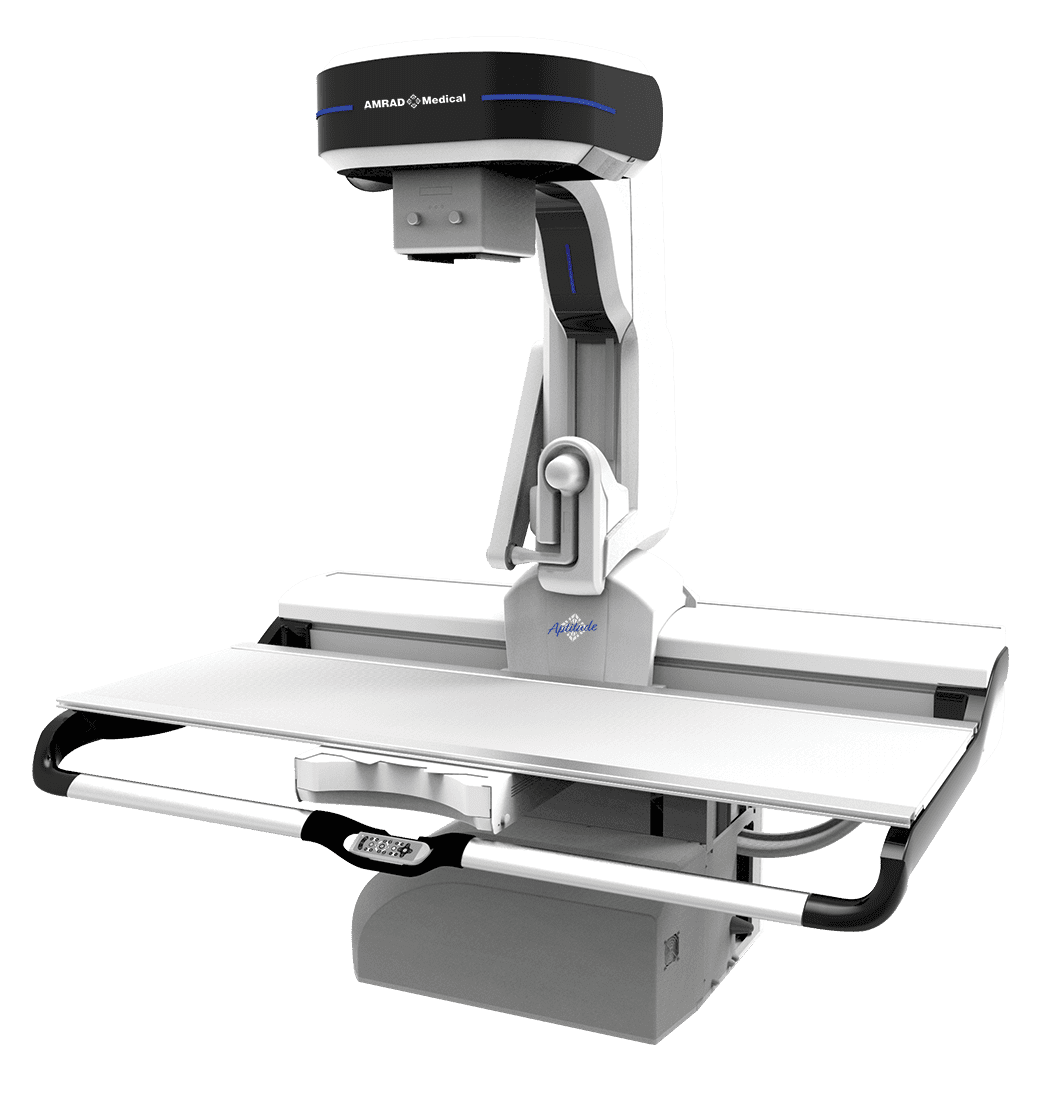
Practical considerations, risk points, and what to ask before you buy, service, move, or maintain imaging equipment.
Before requesting an X-ray equipment quote, send your facility location, clinical use case, desired system type, room photos or drawings, current equipment details if replacing a system, PACS/RIS needs, delivery constraints, timeline, budget context, and service expectations. A good quote is not just a price for hardware. It should match the X-ray system to your room, workflow, installation path, parts support, and long-term service plan.
The more context you provide upfront, the less time gets wasted quoting the wrong configuration.
Why Quote Intake Matters for X-Ray Equipment
X-ray equipment sounds simple until the project details start to matter. A fixed DR room, portable X-ray unit, R&F room, C-arm, DEXA system, and detector upgrade are all “X-ray” conversations, but they are not the same quote.
A vendor cannot responsibly quote the right system from a one-line request like “Need X-ray machine price.” That leaves too much unknown: exam volume, room size, detector requirements, workstation needs, power, delivery access, PACS connectivity, installation scope, and service coverage. Buyers often collect prices that look comparable, then discover one quote excluded installation, another excluded a detector, and another assumed a room that is already ready.
If you are still deciding what type of system you need, start with X-ray equipment for sale: new, used, or refurbished and the used X-ray equipment buying checklist. Once you are ready to request pricing, this intake checklist helps turn a general inquiry into a usable scope.
Start With the Facility and Clinical Use Case
Send basic facility context first: name, city and state, type of operation, and whether the system is for a hospital, urgent care, orthopedic practice, outpatient imaging center, surgery center, mobile program, or another setting.
Then explain what the room needs to do clinically. A low-volume clinic replacing an older analog system has different needs than a busy orthopedic group that wants fast digital workflow and long-leg stitching.
Helpful details include:
- Expected exam types and patient volume
- Fixed-room, portable, mobile, or hybrid workflow
- New room, replacement room, or detector/workstation upgrade
- Digital radiography needs, including detector type if known
- Any special positioning, orthopedic, chest, table, wall stand, or stitching requirements
- Whether you need the system to connect to PACS, RIS, or modality worklist
You do not need every technical answer. Explain the work the system has to perform; MIS can help translate that into equipment options.
Send Current Equipment Details if This Is a Replacement
If you are replacing an existing X-ray system, send the current make, model, serial number if available, approximate age, and photos of the room and major components: table, wall stand, tube stand, generator cabinet, console, detector, workstation, cable paths, and service tags.
Also explain why you are replacing it. Is the system down? Are parts becoming hard to find? Is image workflow too slow? Is the detector failing? Is the site moving from CR to DR? Those answers change the recommendation.
A replacement project may be able to reuse some infrastructure, but do not assume that automatically. Room layout, power, detector compatibility, workstation interfaces, mechanical clearances, and network connections all need review. A quote that assumes reuse can look attractive until the site team discovers that the old room cannot support the new configuration.
If your current system is unreliable but not fully failed, also review X-ray equipment lifespan, maintenance, and replacement costs. The best time to plan replacement is usually before the room is completely down.
Include Room Photos, Drawings, and Delivery Constraints
Site fit is one of the biggest quote variables. Send room dimensions, ceiling height if known, doorway measurements, hallway access notes, elevator or dock limitations, and photos from several angles. If you have architectural drawings, shielding drawings, electrical notes, or equipment layout drawings, include them.
For photos, capture the full room, control area, generator location, cable trays or floor boxes, doorways, hallways, loading path, and any tight turns. If this is a second-floor or hard-access site, say so early.
Also mention whether the room is already licensed or registered for X-ray use, whether shielding has been reviewed locally, and whether a physicist, architect, electrician, or contractor is already involved. MIS can help identify equipment-side requirements, but site approval, radiation shielding, electrical work, and local regulatory steps depend on the facility and the appropriate local professionals.
The goal is to prevent a clean-looking equipment quote from hiding a site problem that delays installation.
Clarify PACS, Workstation, and Network Needs
Digital workflow is often where X-ray projects get more complicated than expected. A system may capture images well, but the project is not finished until images move correctly through the facility workflow.
If you know the details, send PACS vendor, RIS vendor, modality worklist requirements, DICOM needs, AE title conventions, network restrictions, VPN or remote-access limitations, and whether IT must approve devices before connection. If you do not know those terms, send the name of the PACS/RIS contact or explain how images move today.
For used and refurbished X-ray equipment, workstation status matters. Confirm whether the quote includes a workstation, detector software, image processing software, required licenses, export capability, and connectivity support. A detector, workstation, or interface box that is hard to support can create downtime even when the generator and tube are fine. For broader parts planning, read where to buy reliable medical imaging equipment parts or start with MIS parts support.
Share Timeline, Budget Context, and Service Expectations
Buyers sometimes avoid sharing budget context because they worry the price will rise to match it. A better way to think about budget is as a constraint, not an invitation. If MIS knows whether you are looking for the lowest workable used option, a refurbished DR room, a phased upgrade, or a more complete turnkey package, the team can avoid wasting your time with mismatched options.
Timeline matters too. An emergency replacement for a failed system is a different project than a planned room build three months from now. Short timelines may limit available inventory, freight options, installation scheduling, and site readiness work. Planned timelines allow better matching and fewer surprises.
Also define service expectations before the quote is finalized. Ask whether installation, applications support, preventive maintenance, parts coverage, corrective service, travel, remote support, and after-hours response are included or separate. The lowest equipment price is not always the lowest operating risk.
MIS supports equipment, field service, parts, and quote planning, so the best conversation includes what happens after the system arrives.
A Practical X-Ray Quote Request Checklist
For a faster, cleaner quote, send as many of these items as you can:
- Facility name, location, and contact information
- Type of facility and clinical use case
- Desired system type: fixed room, portable, DR upgrade, R&F, C-arm, DEXA, or unsure
- Expected exam mix and patient volume
- Current equipment make, model, serial number, and known issues if replacing a system
- Room photos, drawings, dimensions, ceiling height, and delivery path notes
- Detector, workstation, PACS, RIS, and modality worklist requirements if known
- Preferred timeline and any hard deadline
- Budget context or buying constraints
- Installation, training, service, and parts expectations
- Whether you also need deinstallation, rigging, freight, or removal of existing equipment
You do not need every item before starting. But each missing item adds an assumption, and assumptions make quotes less useful.
FAQ
What is the minimum information needed for an X-ray equipment quote?
At minimum, send facility location, clinical use case, desired system type, timeline, and whether the project is a new room, replacement, or upgrade. Room photos make the quote more accurate.
Should I send my budget when requesting a quote?
Yes, if you frame it as a planning constraint. Budget context helps MIS recommend realistic used, refurbished, or phased options instead of quoting equipment that does not fit the project.
Do I need room drawings before asking for X-ray pricing?
No, but drawings help. If you do not have drawings, send clear room photos, rough dimensions, doorway and hallway access notes, and any available electrical or shielding information.
Can MIS quote installation and service with the equipment?
Often, yes, depending on location, system type, scope, and timing. Ask for clarity on what is included: equipment, freight, installation, applications support, preventive maintenance, parts, and corrective service.
Can used X-ray equipment connect to my PACS?
Often it can, but it depends on the workstation, software, DICOM capability, network setup, and PACS/RIS requirements. Confirm connectivity before purchase rather than treating it as an afterthought.
Schema Recommendation
Use Article or BlogPosting schema for the post and FAQPage schema for the FAQ section. BreadcrumbList is also appropriate. Use Service schema only if the page is repurposed into a quote-intake or equipment-consultation service page. Avoid Product or Offer schema unless a specific X-ray system has approved condition, availability, and pricing details.
Requesting an X-ray equipment quote? Send MIS your room photos, clinical use case, current system details, timeline, and service expectations. Start with the quote form or contact MIS if you are still defining the project.
Need help with this exact problem?
Send the modality, site location, timeline, and any system details. MIS will route the request by intent.
Related resources
Buyer's Desk
What Is a Fair Price for Used X-Ray Equipment?
A fair used X-ray equipment price depends on scope, detector condition, site readiness, installation, service, parts, and support.
Buyer's Desk
How Much Does Used Medical Imaging Equipment Cost?
Used medical imaging equipment cost depends on modality, model, condition, site work, installation, service, parts, and support scope.
Buyer's Desk
Best Used MRI for an Outpatient Imaging Center
Choose the right used MRI for an outpatient center by matching field strength, bore size, coils, site needs, service, and volume.