
Buyer's Desk
What Is My Used MRI Machine Worth? Valuation Factors
June 11, 2026 · 6 min · Medical Imaging Specialists
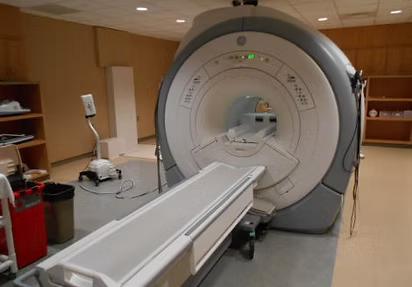
Practical considerations, risk points, and what to ask before you buy, service, move, or maintain imaging equipment.
A used MRI machine is worth what the market will pay after accounting for model demand, field strength, age, working condition, software/options, coil package, service history, completeness, location, and deinstallation risk. A working, complete, inspectable MRI with a clean removal path is usually easier to value than a powered-down system with missing coils or unclear site access. To get a serious valuation, send MIS the make, model, serial number, field strength, year, software/options, coil list, service history, current condition, site location, timeline, and PHI-free photos.
The model matters, but it is not the whole value
Manufacturer and model matter because the resale market is not equal across every platform. A common 1.5T workhorse with strong parts availability may have broader demand than a specialized system with a smaller buyer pool. Wide-bore systems can draw interest from outpatient imaging centers because patient comfort and throughput matter. Some 3T systems hold value well for neuro, orthopedic, oncology, or specialty practices, but they also need a buyer who can support the site, applications, and service requirements.
Field strength is only one part of the story. If you are deciding whether an outgoing MRI still fits the market, compare it with current buyer behavior in the refurbished MRI scanner buying guide and the 1.5T vs 3T MRI field strength guide. The best resale candidate is not always the newest or highest-field system. It is the system a real facility can buy, install, support, and keep scanning.
Condition changes the valuation fast
A powered, scanning MRI is easier to evaluate than a machine that has already been shut down. When a system can be inspected under power, a buyer can review image quality, table movement, coil function, software status, error history, chiller behavior, and service logs. That reduces uncertainty.
Once a system is powered down, missing records and unknown faults become larger risks. The MRI may still have value, but the buyer has to account for what cannot be verified. Was it scanning yesterday, or has it been sitting idle for months? Were there recurring cold head, chiller, RF, gradient, coil, or table issues? Are there image artifacts? Are all cabinets, monitors, workstations, coils, and accessories still present?
Non-working MRIs can still be valuable. Some are candidates for refurbishment. Some are better suited for parts. Others may be worth less after rigging and removal costs are factored in. The failure mode, completeness, and removal path decide the next step.
If the system is still in clinical use, keep preventive maintenance records organized. They help the buyer understand whether the MRI was supported properly. For service context, see what is included in MRI preventive maintenance and MIS service support.
Coils, software, and accessories can move the number
Two MRIs with the same model badge can have different value because the configuration is different. Coil inventory is one of the easiest places for value to leak. Missing head, spine, body, extremity, shoulder, knee, breast, cardiac, or specialty coils can limit resale options. A facility buying a complete scanner does not want to discover after delivery that key clinical workflows require extra sourcing.
Software and options also matter. Buyers may care about advanced imaging packages, workstation capability, cardiac tools, vascular packages, diffusion applications, spectroscopy, reconstruction options, or platform-specific features. List what is installed and photograph screens only after confirming no patient information is visible.
Accessories and support equipment count too. Patient table condition, cabinets, console equipment, monitors, operator workstation, chiller or cooling support, manuals, and available documentation can all affect the project. If a facility has already stripped the room, moved coils into storage, or lost small components during construction, the valuation gets harder.
A practical seller move: create one written inventory before the room cleanout starts. Include each coil, workstation, cabinet, monitor, support component, accessory, and known missing item.
Removal difficulty affects net value
MRI value is not just equipment value. It is equipment value minus risk, time, labor, rigging complexity, freight, and uncertainty.
A ground-floor outpatient site with a clear route, wide doors, known loading access, and cooperative scheduling is a different project from a hospital removal through tight corridors, limited elevators, overnight work windows, construction barriers, roof access, or crane coordination.
That is why a buyer will ask for site photos, not just scanner photos. Send images of the magnet room, control room, equipment room, doorway clearances, hallway route, turns, thresholds, dock area, exterior approach, parking or crane area, and any known constraints. Do not treat rigging as a DIY project, but do provide enough information for a buyer to estimate whether the removal path is clean or complicated.
For the physical side of the project, review MRI magnet removal without wall demolition and the broader medical imaging deinstallation, shipping, and installation guide. If the sale is tied to a replacement, MIS can help coordinate the outgoing MRI, replacement equipment, service planning, and temporary coverage through mobile imaging leasing when appropriate.
What to send for a realistic MRI valuation
The fastest way to get a usable valuation is to send a complete intake package.
Send these details first:
- Manufacturer, model, field strength, serial number, and install year
- Current operating status: scanning, powered down, partially working, or non-working
- Software level, installed options, workstation details, and applications if known
- Complete coil and accessory inventory
- Service history, PM records, known faults, recent repairs, and error trends
- Helium or cryogen history where relevant
- Site location, floor level, access path, loading area, and removal deadline
- Whether the MRI is being sold outright, traded in, replaced, or removed for construction
Send photos too. Include the magnet, patient table, labels/nameplates, coils, cabinets, console, workstations, control room, equipment room, chiller or cooling equipment, access path, doorways, loading area, and any constraints. Keep every screenshot and photo free of patient information, patient names, accession numbers, demographics, schedule screens, or other PHI.
If you are still organizing the sales process, start with how to sell a used MRI machine and the general resale guide on what affects used medical imaging equipment resale value.
Common mistakes that lower offers or slow decisions
The biggest mistake is waiting until the replacement project is already moving. A rushed MRI removal can shrink the buyer pool and raise logistics risk.
The second mistake is powering down the system before documenting it. If the MRI can be inspected while operational, the buyer has more confidence. Photos, service records, image-quality notes, and configuration details become more important once the system is offline.
The third mistake is treating all offers as equal. One offer may include deinstallation, rigging, loading, freight coordination, and clear removal responsibility. Another may be a number on paper with vague terms. Ask what can change the offer, who handles removal, when payment happens, what inspection is required, and what happens if the project date moves.
The fourth mistake is sending messy or sensitive screenshots. Do not send patient schedules, demographics, reports, or images with PHI. A valuation package should show equipment condition and configuration, not patient information.
FAQ
Can MIS value an MRI from just the model name?
MIS can give general context from a model name, but a real valuation needs condition, configuration, coil list, software/options, service history, photos, site location, and removal details.
Is a working MRI worth more than a non-working MRI?
Often, yes, because working systems can be inspected and may have broader resale or refurbishment paths. A non-working MRI may still have value for parts, refurbishment, or relocation, depending on what failed and what is complete.
Do coils affect used MRI resale value?
Yes. Coils can materially affect value because they determine clinical capability and completeness. Missing or damaged coils can reduce buyer demand or require additional sourcing.
Should I deinstall the MRI before asking for a valuation?
Usually no. If the system is still installed and inspectable, keep it documented before removal. Deinstallation should be planned with qualified MRI removal and rigging support, not treated as a casual equipment move.
What photos should I send for valuation?
Send PHI-free photos of the magnet, serial/nameplate labels, patient table, coils, console, workstations, cabinets, equipment room, chiller if present, control room, doorway clearances, hallway route, loading access, and site constraints.
Can MIS help with trade-in or replacement planning?
Yes. If the MRI sale is part of an upgrade, MIS can discuss the outgoing system, refurbished MRI options, deinstallation planning, parts, service, and temporary coverage when needed.
Schema recommendation
Use Article or BlogPosting schema for the post, FAQPage schema for the FAQ section, and Service schema on related valuation, deinstallation, equipment acquisition, or contact pages where the page language is approved.
Need to know what your used MRI may be worth? Send MIS the system details, service history, coil list, timeline, location, and PHI-free photos through contact or a quote request, and the team will help separate real equipment value from removal risk.
Need help with this exact problem?
Send the modality, site location, timeline, and any system details. MIS will route the request by intent.
Related resources
Buyer's Desk
What Is a Fair Price for Used X-Ray Equipment?
A fair used X-ray equipment price depends on scope, detector condition, site readiness, installation, service, parts, and support.
Buyer's Desk
How Much Does Used Medical Imaging Equipment Cost?
Used medical imaging equipment cost depends on modality, model, condition, site work, installation, service, parts, and support scope.
Buyer's Desk
Best Used MRI for an Outpatient Imaging Center
Choose the right used MRI for an outpatient center by matching field strength, bore size, coils, site needs, service, and volume.