
Buyer's Desk
Can a Small Clinic Finance Used X-Ray Equipment?
June 4, 2026 · 6 min · Medical Imaging Specialists
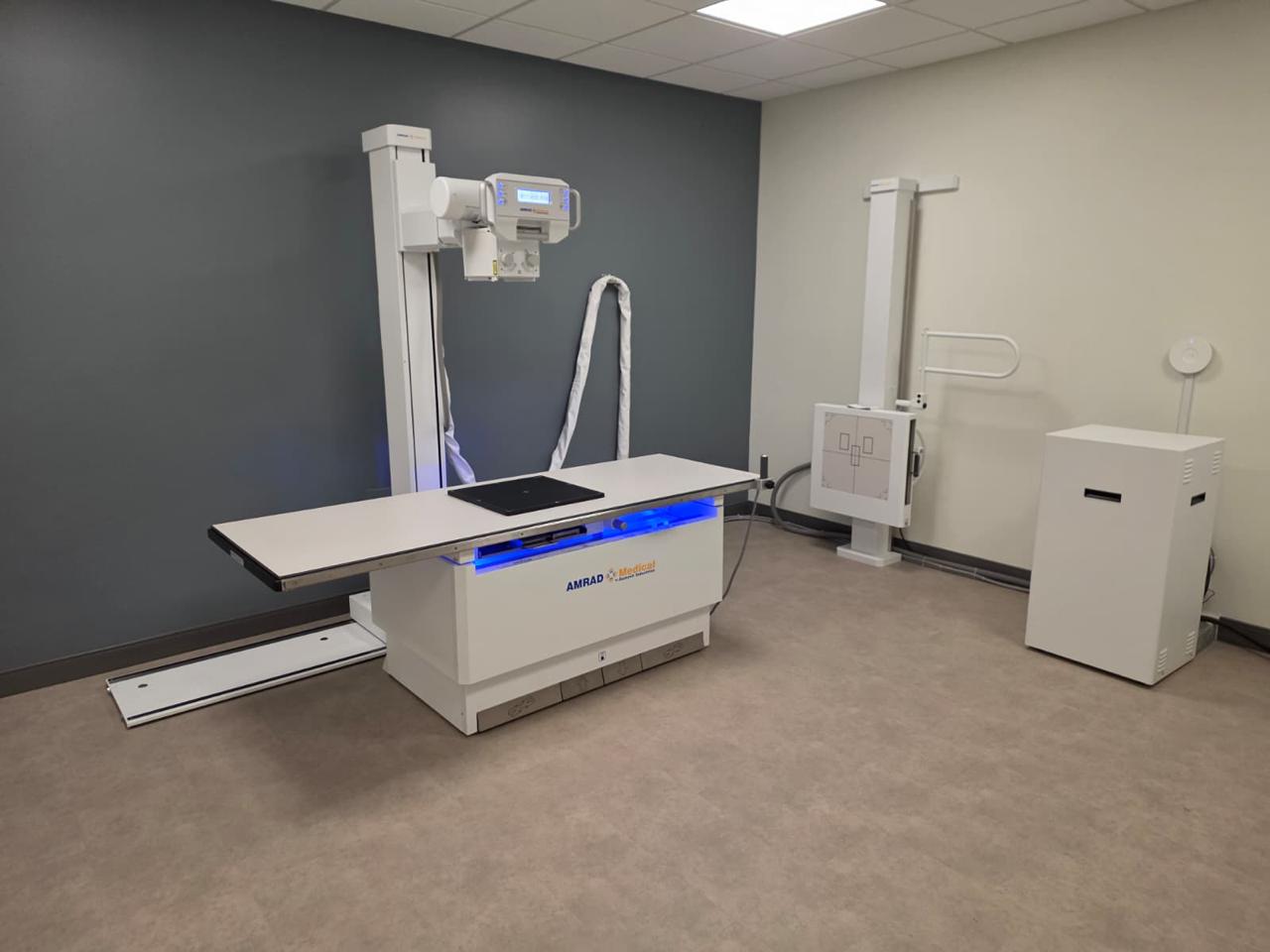
Practical considerations, risk points, and what to ask before you buy, service, move, or maintain imaging equipment.
Yes, small clinics can often finance used or refurbished X-ray equipment, but the financing path depends on the clinic’s credit profile, business history, equipment condition, quote scope, installation plan, and expected cash flow. The safest approach is to treat financing as part of the equipment project, not a separate paperwork step. A lender will care about the asset. Your clinic should care about the whole room: system configuration, detector workflow, site readiness, service support, parts availability, installation, and downtime risk.
Start with the equipment package, not the payment
Financing used X-ray equipment usually starts with a quote, but the quote needs to be specific enough for both the clinic and lender to understand what is being financed. “Used X-ray system” is not enough. A practical quote should identify the system type, make and model when available, major components, detector package, workstation, software scope, delivery assumptions, installation assumptions, and any service or warranty terms that are actually included.
This matters because X-ray equipment is not one object. Before talking about financing, make sure the equipment choice is sound. If you are still comparing options, start with New, Used, or Refurbished X-Ray Equipment: Which Is Best? and the used X-ray equipment buying checklist. Financing the wrong system only spreads the pain over more months.
What lenders usually want to know
Every lender has its own underwriting process, so do not treat this as a universal approval checklist. In general, lenders financing used imaging equipment often look at the borrower, the equipment, and the project.
On the borrower side, they may review business credit, personal credit for smaller practices, time in business, revenue, bank statements, tax returns, existing debt, and whether the clinic has the cash flow to support the payment. A startup clinic may still have options, but it should expect more documentation and possibly stronger owner guarantees or a larger down payment.
On the equipment side, lenders often want a formal quote or invoice, equipment description, age or model details, seller information, condition, and sometimes photos or appraisal support. Used equipment can be financeable, but vague equipment descriptions make the process harder.
Questions a clinic should answer before applying
Before requesting financing, a small clinic should be able to answer a few operational questions. What type of X-ray work will the room support: urgent care, orthopedics, primary care, pain management, podiatry, chiropractic, outpatient imaging, or portable imaging? What is the expected volume? Is this a new service line or a replacement for existing equipment? Will the clinic bill insurance, use cash-pay workflow, or support referrals from a larger practice?
The clinic should also know the project timeline. A lender can approve money faster than a room can be made ready. Electrical work, shielding review, construction, networking, PACS connectivity, permits, and local professional review can all affect when the system can generate revenue.
That timing matters. If payment starts before the room is ready, the clinic may carry equipment costs before any scans are performed. The better financing conversation includes the installation schedule, not just the monthly payment.
For site planning, read X-Ray Equipment Site Requirements: What to Check Before Buying. For quote intake, use What to Send Before Requesting an X-Ray Equipment Quote.
Common financing structures for used X-ray equipment
Small clinics usually see a few broad financing options. The right one depends on accounting goals, ownership preference, cash flow, credit strength, and lender availability. MIS can help structure the equipment side of the conversation, but final financing terms come from the lender and should be reviewed with the clinic’s accountant or financial advisor.
An equipment loan is a straightforward purchase-financing structure. The clinic buys the equipment and repays the lender over time. This can work well when the clinic wants to own the system long-term and keep it through the full useful life.
A finance lease or capital-style lease may feel similar to a loan, depending on the structure. Some clinics prefer this route when they want predictable payments and eventual ownership or a defined end-of-term path.
An operating lease or rental-style structure may be useful when flexibility matters more than ownership, though availability depends on the equipment, lender, and program. For temporary capacity needs, review MIS leasing options at /leasing and /leasing/mobile.
The key is not the label. The key is who owns the risk: down payment, payment start date, end-of-term options, maintenance responsibility, insurance, taxes, service coverage, and what happens if the equipment needs a major repair.
The hidden mistake: financing equipment but not the project
The most common financing mistake is approving only the scanner or X-ray room and leaving the surrounding project underfunded. A clinic may still need room work, electrical changes, shielding review, HVAC adjustments, IT/PACS configuration, rigging, delivery, installation, applications support, preventive maintenance, and service reserves.
That does not mean every project is complicated. Some replacements are clean. A clinic may already have a compliant room, correct power, existing workflow, and a known PACS connection. But you do not want to discover the extra cost after the equipment is already financed.
A practical budget should include the equipment quote plus a site-readiness allowance and a service plan. It should also include downtime risk if the clinic is replacing a working but aging system. The cheapest used X-ray unit can become expensive if it arrives incomplete, cannot connect to the detector workflow, or requires parts that are hard to source.
That is why MIS looks at parts and serviceability before treating a used system as a good candidate. If you are evaluating long-term support, read What Maintenance Does X-Ray Equipment Need? and visit /services or /parts.
How MIS helps make the financing conversation cleaner
A lender does not want a mystery asset, and a clinic should not either. MIS helps by narrowing the equipment package around the clinical use case, room requirements, support path, and budget. That can include identifying the appropriate X-ray category, clarifying what is included, flagging site-readiness questions, and helping the clinic avoid financing a system that is wrong for the room.
For a better quote, send the facility location, clinical use case, current equipment details if replacing a unit, room photos or drawings, desired timeline, PACS or network notes, delivery constraints, and any budget or financing expectations. That information helps MIS recommend a more realistic equipment path and gives the financing process better inputs.
If the clinic is still early, start with the X-ray equipment category at /equipment/x-ray. If the clinic is ready to price options, request a quote at /quote. If the project involves a temporary or mobile option, review /leasing/mobile.
FAQ
Is used X-ray equipment financeable?
Often, yes. Used and refurbished X-ray equipment can be financeable when the equipment is identifiable, supportable, properly quoted, and acceptable to the lender. Approval depends on the borrower, lender, equipment condition, seller documentation, and deal structure.
Can a startup clinic finance X-ray equipment?
Sometimes. Startups may face more documentation, stronger credit requirements, larger down payments, or owner guarantees because there is less operating history. A clear business plan, realistic volume assumptions, and a complete equipment quote help.
Should I finance installation and site work too?
It depends on the lender and project, but the clinic should budget for them either way. Equipment cost is only part of the project. Room readiness, delivery, installation, IT/PACS work, and service reserves can affect the real cash needed before the system produces revenue.
Is leasing better than buying used X-ray equipment?
Not always. Leasing can help cash flow and flexibility. Buying can make sense when the clinic wants long-term ownership. Compare payment amount, end-of-term options, maintenance responsibility, tax/accounting treatment, and total cost over the expected life of the system.
What should I send MIS before asking for a financed quote?
Send your clinical use case, location, current equipment if replacing, room photos or drawings, desired system type, timeline, delivery constraints, PACS/network needs, service expectations, and any financing constraints. Better inputs produce a cleaner quote.
Schema recommendation
Use Article or BlogPosting schema for the post and FAQPage schema for the FAQ section. If this content links to live X-ray inventory or approved leasing pages, use Product, Offer, or Service schema only on those pages when availability, condition, price, and service terms are accurate and approved.
Ready to evaluate used or refurbished X-ray equipment for a small clinic? Send MIS the project details through /quote or contact the team at /contact so the equipment package, site plan, and financing conversation start from the same facts.
Need help with this exact problem?
Send the modality, site location, timeline, and any system details. MIS will route the request by intent.
Related resources
Buyer's Desk
What Is a Fair Price for Used X-Ray Equipment?
A fair used X-ray equipment price depends on scope, detector condition, site readiness, installation, service, parts, and support.
Buyer's Desk
How Much Does Used Medical Imaging Equipment Cost?
Used medical imaging equipment cost depends on modality, model, condition, site work, installation, service, parts, and support scope.
Buyer's Desk
Best Used MRI for an Outpatient Imaging Center
Choose the right used MRI for an outpatient center by matching field strength, bore size, coils, site needs, service, and volume.