
Buyer's Desk
What to Look for When Buying a Used PET/CT Scanner
June 28, 2026 · 6 min · Medical Imaging Specialists
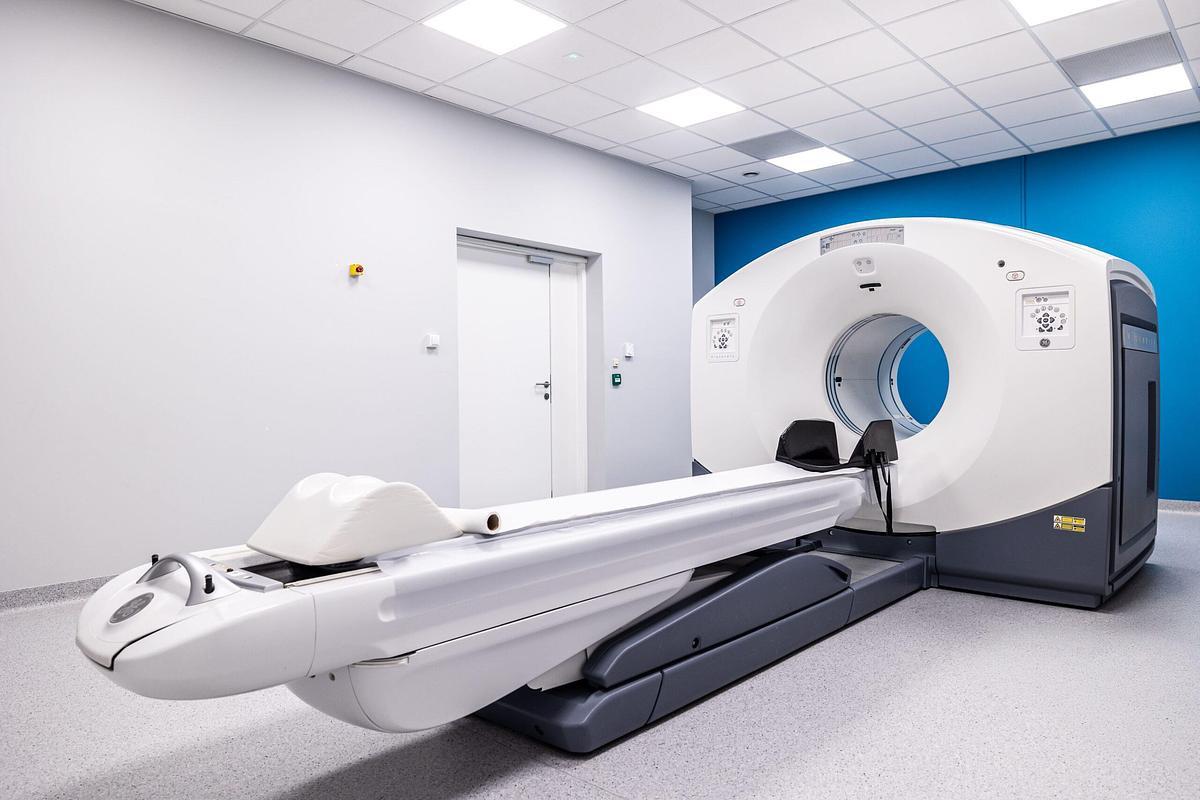
Practical considerations, risk points, and what to ask before you buy, service, move, or maintain imaging equipment.
When buying a used PET/CT scanner, look beyond the model name and asking price. The right system depends on PET detector technology, CT slice count, CT tube position, software/options, service history, current condition, site requirements, logistics, parts availability, and post-install support. A lower-priced PET/CT can become the expensive choice if it arrives with weak documentation, missing accessories, poor serviceability, or an installation scope nobody priced correctly.
Start with the clinical use case
Before comparing used PET/CT scanners, define what the facility actually needs to do. A community oncology program, a hospital replacing an older PET/CT, and a new outpatient center testing market demand may all need different systems.
Start with study mix, expected daily volume, referral base, radiologist expectations, CT requirements, radiopharmacy access, and staffing. If the scanner will mainly support oncology PET with CT attenuation correction and localization, the CT slice-count requirement may be different than a program expecting more diagnostic CT capability. If cardiac PET/CT, higher throughput, or advanced protocols are part of the plan, the technical and software requirements may move up.
For budget planning, pair this buying checklist with MIS’s guide on how much a used or refurbished PET/CT scanner costs. Cost only makes sense after the clinical target is clear.
Check the PET side separately from the CT side
PET/CT should be evaluated as two risk profiles in one scanner.
On the PET side, ask about detector technology, detector condition, normalization and calibration history, time-of-flight capability if relevant, axial field of view, acquisition computer status, workstation configuration, and known service issues. Older BGO systems, LSO/LYSO platforms, TOF systems, and digital PET/CT scanners are not interchangeable.
On the CT side, ask about slice count, tube usage or condition, generator health, detector status, cooling history, table condition, gantry behavior, software options, and dose-management tools where applicable. The CT tube remains one of the largest service-risk items in many PET/CT deals. A scanner with the right badge on the front can still be the wrong buy if the tube position, parts path, or service history is weak.
Verify what “used” or “refurbished” means
The words in the quote matter. “Used,” “tested,” “refurbished,” “as-is,” and “turnkey” can describe very different deals.
A used PET/CT may be sold out of a working site with limited testing and buyer responsibility for removal. A tested system may have basic function checks but still need refurbishment, parts, cosmetic work, or software review. A properly refurbished system should have been inspected, cleaned, repaired where needed, prepared for transport and installation, documented, and scoped for support.
Ask the vendor to define the scope in writing. What was inspected? What was repaired? What accessories are included? Are workstations, coils or positioning aids where applicable, injectors, manuals, phantoms, UPS components, networking items, and software/options included or excluded? Who is responsible for deinstallation, rigging, crating, freight, installation, testing, and applications support?
Review service history and parts availability
Service history is one of the best predictors of PET/CT risk. Ask for recent preventive maintenance records, known error history, calibration or normalization documentation where available, CT tube information, major component replacements, prior downtime patterns, and notes from the current site. You are looking for a serviceable system, not a perfect story.
Parts availability should be discussed before purchase. Ask who can supply critical PET/CT components, what lead times often look like, whether parts are traceable, and how service will be handled after go-live. PET detector modules, CT tubes, gantry components, workstations, cooling-related parts, acquisition electronics, and power components all need a realistic support path.
MIS’s medical imaging equipment parts team and service team are connected for a reason. A PET/CT purchase should not be separated from the question of how the system will be supported at 6 AM when the schedule is full.
Price the whole project, not just the scanner
A used PET/CT quote is incomplete if it only prices the gantry.
The project may include deinstallation, rigging, crating, freight, insurance, storage, delivery, installation, calibration, acceptance support, applications help, site coordination, and service coverage. Depending on the facility, the room may also need review for shielding, power, HVAC/cooling, floor loading, equipment access, hot lab workflow, radiopharmacy coordination, network connectivity, PACS/RIS routing, and staff workflow.
For the handoff chain, read MIS’s deinstallation, shipping, and installation guide. For PET/CT-specific room planning, see PET/CT scanner site requirements before buying. The earlier those checks happen, the less likely the buyer is to discover expensive surprises after committing to a system.
Compare vendors by accountability
The best used PET/CT vendor is not always the one with the lowest equipment number. Ask whether the vendor has in-house engineers or only brokers the equipment. Ask whether they can support deinstallation, refurbishment, installation, parts, preventive maintenance, and post-install service. Ask who will answer technical questions after the purchase agreement is signed.
MIS is built around that full-chain model: equipment sales, refurbishment, logistics, parts, service, installation support, and long-term maintenance planning. If you are comparing vendors, MIS’s refurbished medical imaging equipment vendor guide is a useful companion.
Common mistakes to avoid
The first mistake is shopping by model name alone. A GE, Siemens, or Philips PET/CT family name does not tell you tube condition, detector status, software scope, accessories, or service history. The second is comparing quotes without matching scope: equipment-only, tested, refurbished, installed, and supported quotes describe different levels of responsibility.
The third mistake is waiting too long on site planning. PET/CT touches facilities, IT, radiation-safety planning, radiopharmacy workflow, service access, and clinical operations. The fourth is sending too much information the wrong way. Do not send patient names, dates of birth, accession numbers, reports, images, schedules, labels, or screenshots containing PHI when requesting an equipment quote.
What to send before requesting a PET/CT quote
Send the preferred manufacturer or model family if you have one, clinical use case, expected volume, CT slice-count needs, PET technology preferences, facility location, project timeline, site status, existing equipment details if replacing a system, service expectations, logistics constraints, and budget context. If the project is a new build, include room-readiness status and who is handling physics, shielding, hot lab, IT, and construction coordination.
FAQ
What is the most important thing to check on a used PET/CT scanner?
The most important check is whether the system fits the clinical need and has a real service path. Detector condition, CT tube status, service history, software scope, and parts availability usually matter more than age alone.
Is a refurbished PET/CT better than a used PET/CT?
Often, yes, if the refurbishment is real and documented. A used PET/CT may still be a good buy, but the buyer needs to know what testing and support are included.
How does CT slice count affect a PET/CT purchase?
CT slice count affects diagnostic capability, acquisition workflow, service exposure, and price. A 16-slice PET/CT may fit some oncology workflows, while 64-slice or higher systems may make sense when diagnostic CT, throughput, or specific protocols matter.
Should I buy the lowest-priced PET/CT available?
Not without comparing scope. A low price can make sense if the system is serviceable and the buyer understands the exclusions. It can be a bad deal if deinstallation, freight, installation, parts risk, tube condition, or detector issues are missing from the quote.
Can MIS help after the PET/CT is installed?
Yes. MIS supports medical imaging equipment sales, parts, service, preventive maintenance, deinstallation, installation coordination, and project planning. The exact support plan depends on the system, location, agreement, and parts path.
Schema recommendation
Use Article or BlogPosting schema for the post and FAQPage schema for the FAQ section. Because this is a buyer-intent equipment topic, related PET/CT equipment pages may support Product or Service schema only where real listing details, availability, and approved quote information exist. Do not use fake price or offer schema.
Talk through the PET/CT before you commit
If you are evaluating a used or refurbished PET/CT scanner, send MIS the system details, site status, clinical use case, CT slice needs, timeline, location, service expectations, and budget context. Start with the PET/CT equipment page, request a quote through /quote, or contact MIS through /contact before the lowest equipment price becomes the most expensive project.
Need help with this exact problem?
Send the modality, site location, timeline, and any system details. MIS will route the request by intent.
Related resources
Buyer's Desk
What Is a Fair Price for Used X-Ray Equipment?
A fair used X-ray equipment price depends on scope, detector condition, site readiness, installation, service, parts, and support.
Buyer's Desk
How Much Does Used Medical Imaging Equipment Cost?
Used medical imaging equipment cost depends on modality, model, condition, site work, installation, service, parts, and support scope.
Buyer's Desk
Best Used MRI for an Outpatient Imaging Center
Choose the right used MRI for an outpatient center by matching field strength, bore size, coils, site needs, service, and volume.