
Ops Playbook
How Long Does MRI Deinstallation Take? Timeline Guide
June 13, 2026 · 6 min · Medical Imaging Specialists
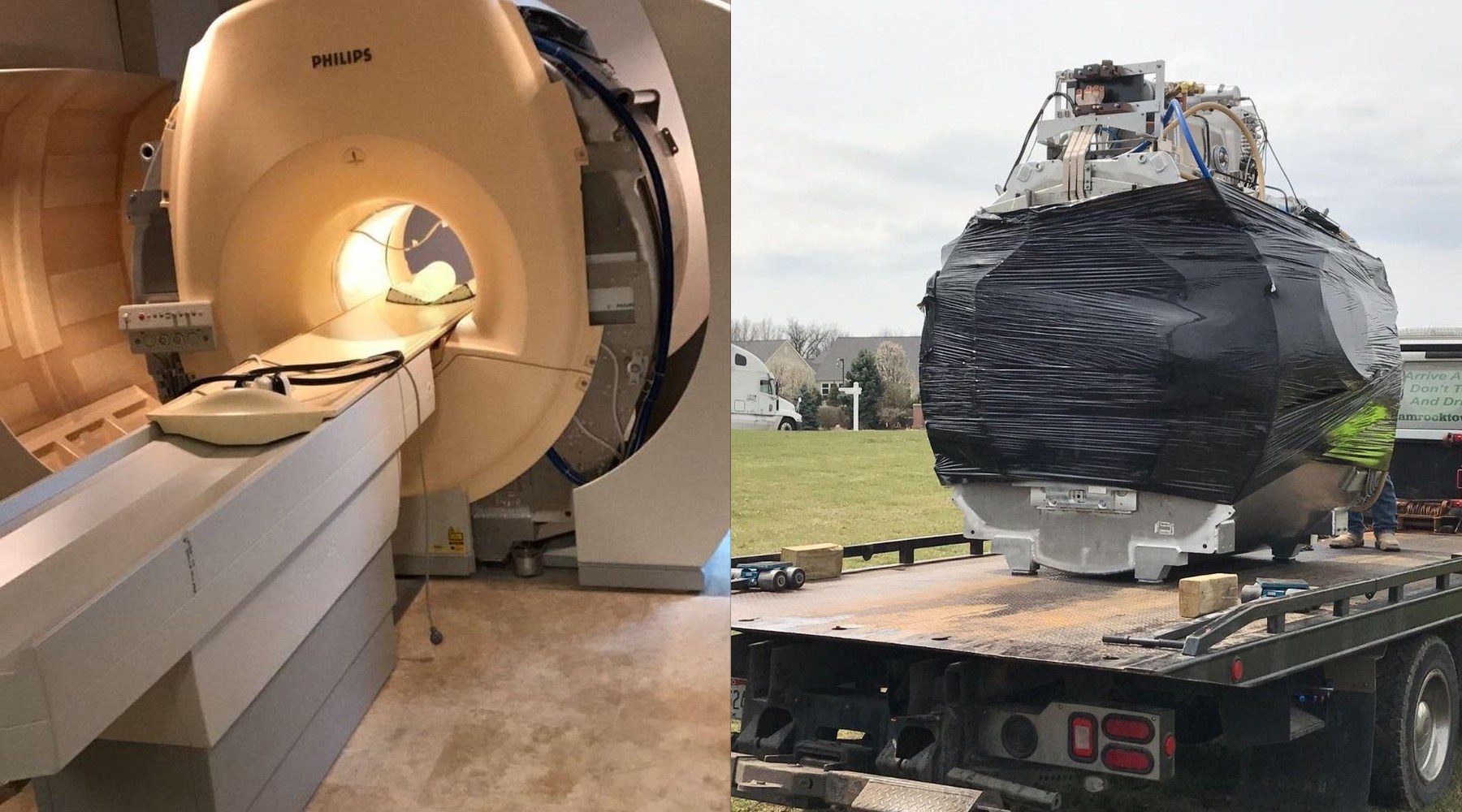
Practical considerations, risk points, and what to ask before you buy, service, move, or maintain imaging equipment.
MRI deinstallation can take anywhere from a tightly planned short project to a longer multi-step removal, depending on the magnet, site access, utility disconnects, rigging path, facility rules, and whether the system is being sold, traded, relocated, stored, or removed for parts. The safest answer is to review the MRI model, magnet status, room, access route, loading area, timeline, and documentation before promising a removal date. A simple equipment room and a difficult hospital route are not the same job.
For MIS, the timeline starts before the crew arrives. Good planning protects the facility, the magnet, the resale value, and the replacement schedule.
The short answer: timeline depends on scope
An MRI deinstallation timeline has two parts: planning time and field time. Facilities often ask only about the field work, but the planning is what keeps the project under control.
Planning may include system review, magnet status, coil and accessory inventory, site photos, route measurements, facility coordination, utility disconnects, rigging review, freight planning, and replacement-equipment timing. Field work may include controlled shutdown, component labeling, accessory packing, cabinet and console removal, support-equipment handling, magnet preparation, rigging, loading, crating, and room turnover.
The practical answer is this: do not schedule MRI removal from a guess. Schedule it from a reviewed site plan. If your MRI is being sold or traded, start with MIS’s guide on how to sell a used MRI machine and the checklist for documents and photos needed to sell imaging equipment.
What makes one MRI deinstall faster than another?
The biggest timeline driver is access. A magnet in a ground-floor suite with a direct route to a loading area is a different project from a hospital MRI room with tight corridors, multiple turns, limited elevator options, restricted work hours, and active clinical departments nearby.
The second driver is magnet status. A cold superconducting magnet, a ramped-down magnet, and a permanent open MRI do not create the same planning problem. Magnet status affects safety planning, service coordination, rigging approach, shipping assumptions, and resale or relocation options.
The third driver is completeness. If coils, cabinets, workstations, monitors, manuals, cables, or chillers have already been separated from the system, the crew may need extra time to identify what is included and protect the remaining value. A clean inventory before the room is touched makes the project faster.
The fourth driver is facility coordination. Credentialing, insurance requirements, after-hours work windows, infection-control rules, security access, dock scheduling, construction schedules, and internal approvals can add more time than the equipment work itself.
The pre-deinstall review MIS wants to see
Before anyone gives a serious timeline, send the basic system identity: manufacturer, model, field strength, serial number, install year if known, current operating status, magnet status if known, and why the MRI is being removed.
Then send the site details: room location, floor level, doorway widths, hallway turns, elevator information, dock access, exterior route, parking or crane area, ceiling-height concerns, and target removal date. Photos are useful if they are clear and PHI-free. Include the magnet room, control room, equipment cabinets, chiller or support area, hallway route, loading dock, exterior access, and tight turns.
Do not send patient information. Console photos, screenshots, schedules, labels, paperwork, and reflections should be checked before they leave the facility. The deinstall team needs equipment and logistics information, not patient data.
For broader move planning, see medical imaging equipment deinstallation, shipping, and installation.
What happens during MRI deinstallation?
A controlled MRI deinstall starts with documentation and component control. The team confirms what is being removed, what stays with the facility, and what belongs with the equipment package. Coils, workstations, cabinets, monitors, cables, manuals, and support equipment should be labeled and protected.
The scope may include powering down the system, disconnecting equipment, protecting sensitive components, preparing cabinets and consoles, coordinating support-equipment removal, and making sure anything needed for resale, relocation, or parts recovery is not left behind.
The magnet move is the part everyone notices, but it is not the only work. The project also has to protect walls, floors, thresholds, doorways, elevators, dock areas, and any active clinical space along the route. A good plan is measured in inches before it is measured in hours.
If the route is unusually tight, review MIS’s field-focused article on MRI magnet removal without wall demolition. Sometimes construction is unavoidable. Often, the better answer is better planning.
Common delays that extend the schedule
The first delay is waiting too long. If the new MRI delivery date is locked and the old magnet is not reviewed, every decision becomes rushed. Start the removal conversation as soon as replacement, sale, trade-in, or renovation becomes likely.
The second delay is incomplete information. Missing serial numbers, unknown magnet status, blurry photos, no route photos, no accessory inventory, or no target removal window forces more back-and-forth.
The third delay is site access. A route that looked clear on paper may have a tight turn, low ceiling, narrow door, weak threshold, unavailable elevator, dock restriction, or exterior obstacle. These are not small details when moving an MRI magnet.
The fourth delay is utility and facility coordination. Electrical, cooling, fire systems, security, construction, housekeeping, clinical scheduling, and after-hours access may all need coordination. A deinstallation vendor who only thinks about rigging can miss the facility work that actually controls the calendar.
The fifth delay is scope confusion. Removing an MRI for resale is not the same as clearing a room for demolition. If the system has value, the team has to protect the magnet, coils, electronics, workstations, documentation, and accessories.
Sale, trade-in, replacement, or removal-only?
The reason for deinstallation affects the schedule. If the MRI is being sold or traded, MIS will usually evaluate the equipment and removal together. The best path may be a purchase, trade-in, replacement quote, parts review, removal support, or some combination.
If the MRI is being replaced, the old system and new system should be planned as one project. Removal date, construction readiness, equipment delivery, room turnover, and service coverage should not live in separate silos.
MIS supports used MRI review, field service, parts, refurbished MRI equipment, equipment quotes, and mobile capacity through mobile imaging leasing when construction creates a coverage gap.
Checklist before you set a removal date
Before setting an MRI deinstallation date, gather:
- MRI manufacturer, model, field strength, serial number, and install year
- Current status: scanning, down, powered off, ramped, cold, or unknown
- Coil package, workstation, console, cabinets, chiller, and major accessories
- Service history, known faults, and reason for removal
- PHI-free photos of the MRI, equipment room, labels, accessories, and support equipment
- PHI-free photos of the route, doors, hallway turns, elevator, dock, exterior access, and obstacles
- Facility work-hour limits, credentialing rules, insurance needs, security access, and target removal date
- Whether the goal is sale, trade-in, relocation, storage, parts recovery, replacement, or room clearance
If any of those items are unknown, say so. Unknowns are manageable when they are visible early.
FAQ
Can MIS give an MRI deinstallation timeline from photos?
Photos help, but they are not always enough. Clear PHI-free equipment and route photos support an initial review, but complex projects may need deeper site verification.
Does MRI deinstallation require wall demolition?
Not always. Some projects need construction changes, but many difficult removals are solved with better route planning, measurements, rigging review, and facility coordination. The route should be proven before demolition is assumed.
Should the MRI stay powered until review?
If it is safe and operationally practical, an installed system is often easier to evaluate than one already disconnected. Follow facility policy and service guidance, and do not attempt magnet or electrical work without qualified personnel.
Can a non-working MRI still be removed or sold?
Often, yes. Non-working status affects value and options, but a down MRI may still have resale, refurbishment, parts, trade-in, or removal value depending on model, completeness, condition, and demand.
What should facilities avoid sending?
Do not send patient names, dates of birth, accession numbers, study images, reports, schedules, or screenshots containing PHI. Keep photos focused on equipment, labels, accessories, room layout, and access constraints.
Can MIS help if replacement timing creates a coverage gap?
Yes. Depending on modality, location, and availability, MIS can discuss replacement equipment, service planning, or mobile imaging leasing during construction or replacement.
Schema recommendation
Use Article or BlogPosting schema for the post and FAQPage schema for the FAQ section. Consider Service schema only on a dedicated MRI deinstallation, equipment removal, or equipment-sale service page with MIS-approved service wording.
Planning an MRI removal, sale, trade-in, or replacement? Send MIS the system details, current status, target date, room photos, route photos, accessory list, and removal goal through the quote page or contact page before the project becomes urgent.
Need help with this exact problem?
Send the modality, site location, timeline, and any system details. MIS will route the request by intent.
Related resources
Ops Playbook
What Site Requirements Are Needed for a CT Scanner?
CT scanner site requirements include room fit, power, cooling, shielding review, access, IT, service clearance, and project planning.
Ops Playbook
How Long Does CT Scanner Installation Take? Planning Guide
CT scanner installation timing depends on site readiness, rigging, power, cooling, shielding review, IT, service support, and project scope.
Ops Playbook
How Quickly Can a CT Scanner Be Repaired After Downtime?
CT repair speed depends on diagnosis, parts, access, service history, and site readiness. Learn what helps a scanner get back online faster.