
Ops Playbook
Should Older Imaging Equipment Be Serviced More Often?
June 25, 2026 · 6 min · Medical Imaging Specialists
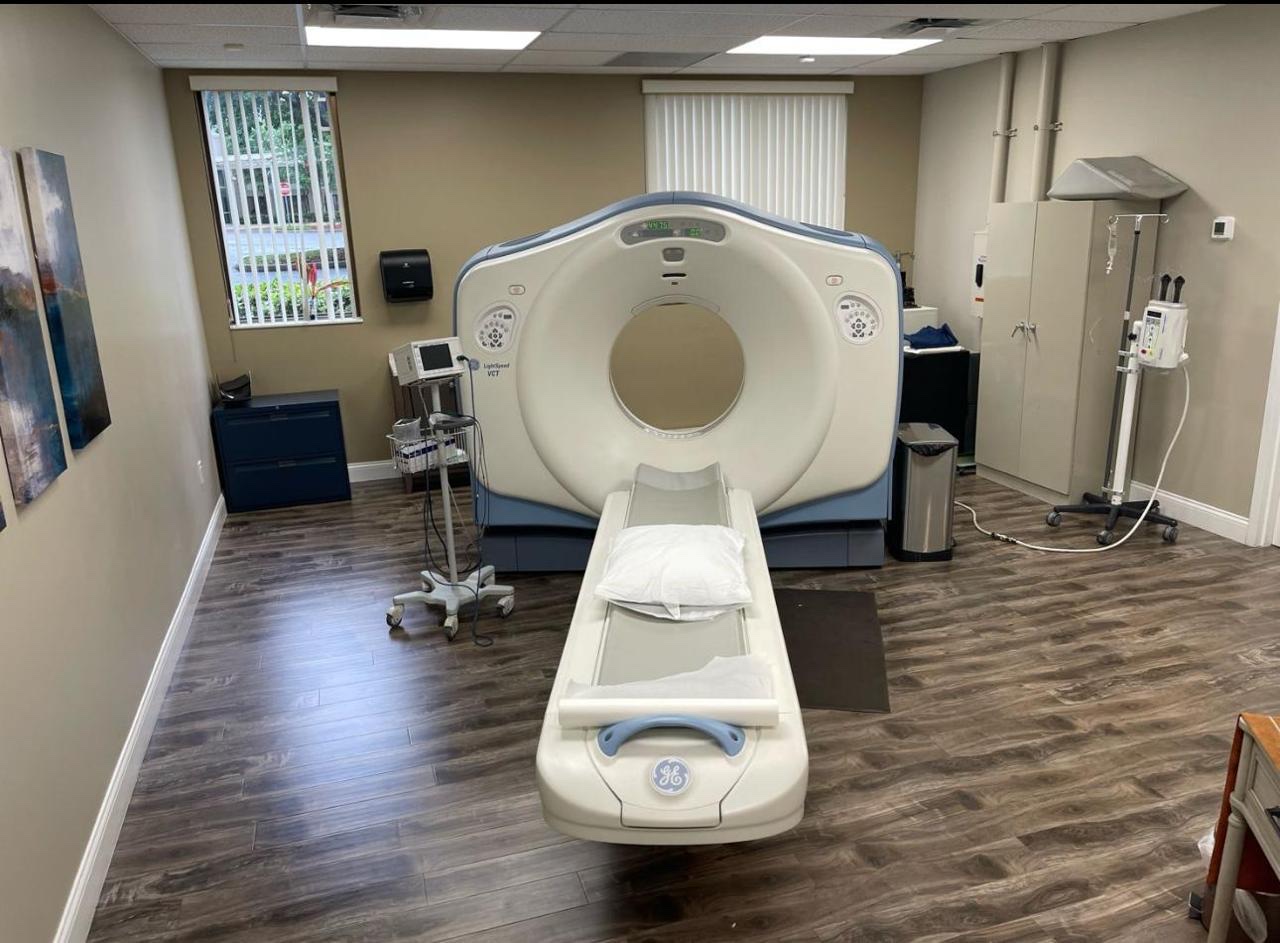
Practical considerations, risk points, and what to ask before you buy, service, move, or maintain imaging equipment.
Older medical imaging equipment does not automatically need more service just because of the calendar age, but it often needs closer service planning. The right schedule depends on modality, manufacturer guidance, scan volume, service history, room environment, parts availability, uptime requirements, and current symptoms. A well-maintained 10-year-old CT may be more predictable than a newer system in a hot room with poor power and skipped PMs. Age matters, but condition matters more.
The practical question is not, “How old is the system?” It is, “What is the system telling us, and how much risk can this facility tolerate?”
Age is a signal, not the whole diagnosis
Every imaging system has a lifecycle. CT tubes accumulate exposure. MRI chillers, cold heads, coils, gradients, patient tables, and electronics live in real operating conditions. PET/CT systems carry both PET-side and CT-side risk. X-ray rooms depend on generators, detectors, tubes, tables, software, and networking.
But older equipment can age very differently from site to site. A lightly used outpatient scanner with steady preventive maintenance, stable HVAC, clean power, and good service records may remain a strong asset. The same model in a high-volume facility with inconsistent room conditions and emergency-only service may become unpredictable sooner.
That is why MIS looks at service history and operating context before recommending a maintenance plan. For a broader baseline, read how often medical imaging equipment should be serviced. Older equipment usually needs the same discipline, plus sharper attention to trends.
What changes as imaging systems get older?
The first change is predictability. Small issues that were once rare may start repeating: intermittent faults, slower startups, cooling alarms, image-quality complaints, table movement problems, software communication issues, or parts that test borderline during service.
The second change is parts planning. Older platforms can still be very serviceable, but the parts path matters. Are critical components available? Are compatible revisions being verified before ordering? Can parts be staged before a known risk becomes a schedule-killing outage? If parts are already part of the conversation, use the medical imaging parts page or the parts quote checklist.
When more frequent service may make sense
More frequent service may make sense when a system has recurring faults, increasing scan volume, weak maintenance history, challenging room conditions, aging high-value components, poor parts availability, a recent relocation, a major repair, or a pending repair-versus-replacement decision.
For CT, the service conversation often includes tube life, cooling performance, gantry operation, detector stability, image artifacts, table movement, error logs, and the room environment. A CT nearing a tube event may not need random extra visits, but it does need planned attention.
For MRI, the magnet and support systems create their own risk profile. Chiller performance, cold head behavior, cryogen-related planning, coils, gradients, patient table, room conditions, power quality, and service access all matter. MRI maintenance also has safety boundaries that should stay with qualified personnel.
For PET/CT and X-ray, the answer depends on how the machine is used and which subsystem is driving risk. Hybrid systems need both sides considered, and X-ray detector, generator, tube, software, or positioning issues can still disrupt the schedule.
Warning signs to address before the next PM
Do not wait for the next planned PM if the system is already showing a pattern. Call for service planning when errors repeat, scans abort, image quality changes, cooling alarms appear, the table or gantry moves unusually, the system overheats, networking becomes unreliable, or staff begin working around the machine instead of trusting it.
One isolated fault may not prove a major failure. A trend does. Useful service calls start with clean documentation: modality, manufacturer, model, serial number, software/options if known, age, scan volume, service history, symptoms, error messages, downtime status, location, and urgency.
If screenshots, photos, labels, logs, or documents are shared, remove patient information first. Do not send PHI in service intake material. The team needs system facts, not patient data.
PM, service contracts, and emergency repair are different tools
Preventive maintenance is scheduled work meant to inspect, test, clean, adjust, document, and identify problems before they become larger failures. It is not a guarantee that downtime will never happen.
A service contract defines the support relationship: what is covered, what is excluded, response expectations, parts handling, labor, preventive visits, and escalation process. Two contracts can sound similar and cover very different things, which is why scope matters more than the label. Read medical imaging service contracts before comparing quotes.
Emergency repair is the response when the machine is already down or unsafe to use. Older equipment should not live on emergency repair alone. If every event starts with panic, the facility is probably paying for weak planning through lost schedule time, freight, and repeat labor.
The better approach is a service plan that connects PM, parts readiness, escalation, and replacement planning. MIS supports that through medical imaging service, parts, refurbished equipment sourcing, and project planning when a system is approaching the end of its useful life.
Common mistakes with older imaging systems
The biggest mistake is treating “still running” as the same thing as “low risk.” If staff are seeing intermittent errors, image-quality complaints, cooling warnings, or longer recovery times, the machine is already sending signals.
Another mistake is ordering parts before confirming compatibility. Older platforms may have revision-specific boards, software dependencies, detector differences, coil variations, or configuration details that change the right answer. A rushed part order can turn one outage into two.
A third mistake is comparing service quotes without comparing scope. One provider may include PM, labor, certain parts, remote support, and escalation. Another may quote a lower number but exclude the very items most likely to fail. Older systems need practical coverage, not just the cheapest line item.
The final mistake is waiting too long to discuss replacement. Repairing an older system can be the right call. So can replacing it with a refurbished CT, MRI, PET/CT, or X-ray system. Base that decision on uptime trend, parts path, clinical need, site readiness, service cost, and capital plan.
What to send MIS for an older-equipment service review
Before asking whether an older system needs more frequent service, gather the facts. Send the modality, manufacturer, model, serial number, system age if known, software/options if available, scan volume, symptoms, error messages, service history, last PM date, parts history, facility location, downtime status, and urgency.
For CT, include tube history if available. For MRI, include chiller or cold head history if relevant. For PET/CT, include whether the concern is PET-side, CT-side, or both. For X-ray, include detector, generator, tube, table, and workstation context when known.
That information helps MIS decide whether the next step is a PM visit, targeted service call, parts review, service contract discussion, replacement planning, or a temporary capacity option such as mobile imaging leasing.
FAQ
Should older CT scanners be serviced more often?
Sometimes. Older CT scanners may need closer monitoring if tube life, cooling performance, detector behavior, gantry/table operation, error logs, room conditions, or downtime history show increasing risk.
Should older MRI machines receive extra preventive maintenance?
They may, especially if chiller performance, cold head history, coils, gradients, room environment, or service history point to higher risk. MRI service planning should stay within qualified safety procedures.
Does preventive maintenance prevent all downtime?
No. PM reduces risk and helps identify problems earlier, but it cannot guarantee zero downtime. Parts can fail between visits, site conditions can change, and high-use systems can still have unexpected issues.
Is it better to repair or replace older imaging equipment?
It depends on clinical need, uptime trend, repair cost, parts availability, serviceability, age, site plans, and capital budget. If repeated repairs are interrupting the schedule, compare the repair path against refurbished replacement options.
Can MIS service older CT, MRI, PET/CT, and X-ray systems?
MIS supports service, parts, refurbishment, equipment sourcing, and project planning across major imaging modalities. The right first step is sending system details through contact or the service page so the team can review the exact platform and need.
Schema recommendation
Use Article or BlogPosting schema for the post and FAQPage schema for the FAQ section. If this content is adapted into a dedicated service landing page, Service schema may also fit, but only with approved MIS scope wording. Do not use price, offer, warranty, or guaranteed-response schema unless that data is approved and current.
Older imaging equipment can be a strong asset when the service plan is honest about risk. If you are trying to keep a CT, MRI, PET/CT, X-ray, C-arm, ultrasound, DEXA, or cath lab system reliable, send MIS the system details, symptoms, service history, location, and urgency through services, contact, or quote. The best time to plan service is before downtime writes the schedule for you.
Need help with this exact problem?
Send the modality, site location, timeline, and any system details. MIS will route the request by intent.
Related resources
Ops Playbook
What Site Requirements Are Needed for a CT Scanner?
CT scanner site requirements include room fit, power, cooling, shielding review, access, IT, service clearance, and project planning.
Ops Playbook
How Long Does CT Scanner Installation Take? Planning Guide
CT scanner installation timing depends on site readiness, rigging, power, cooling, shielding review, IT, service support, and project scope.
Ops Playbook
How Quickly Can a CT Scanner Be Repaired After Downtime?
CT repair speed depends on diagnosis, parts, access, service history, and site readiness. Learn what helps a scanner get back online faster.