
Buyer's Desk
What Should Be Included in a Used or Refurbished MRI Quote?
September 11, 2026 · 6 min · Medical Imaging Specialists
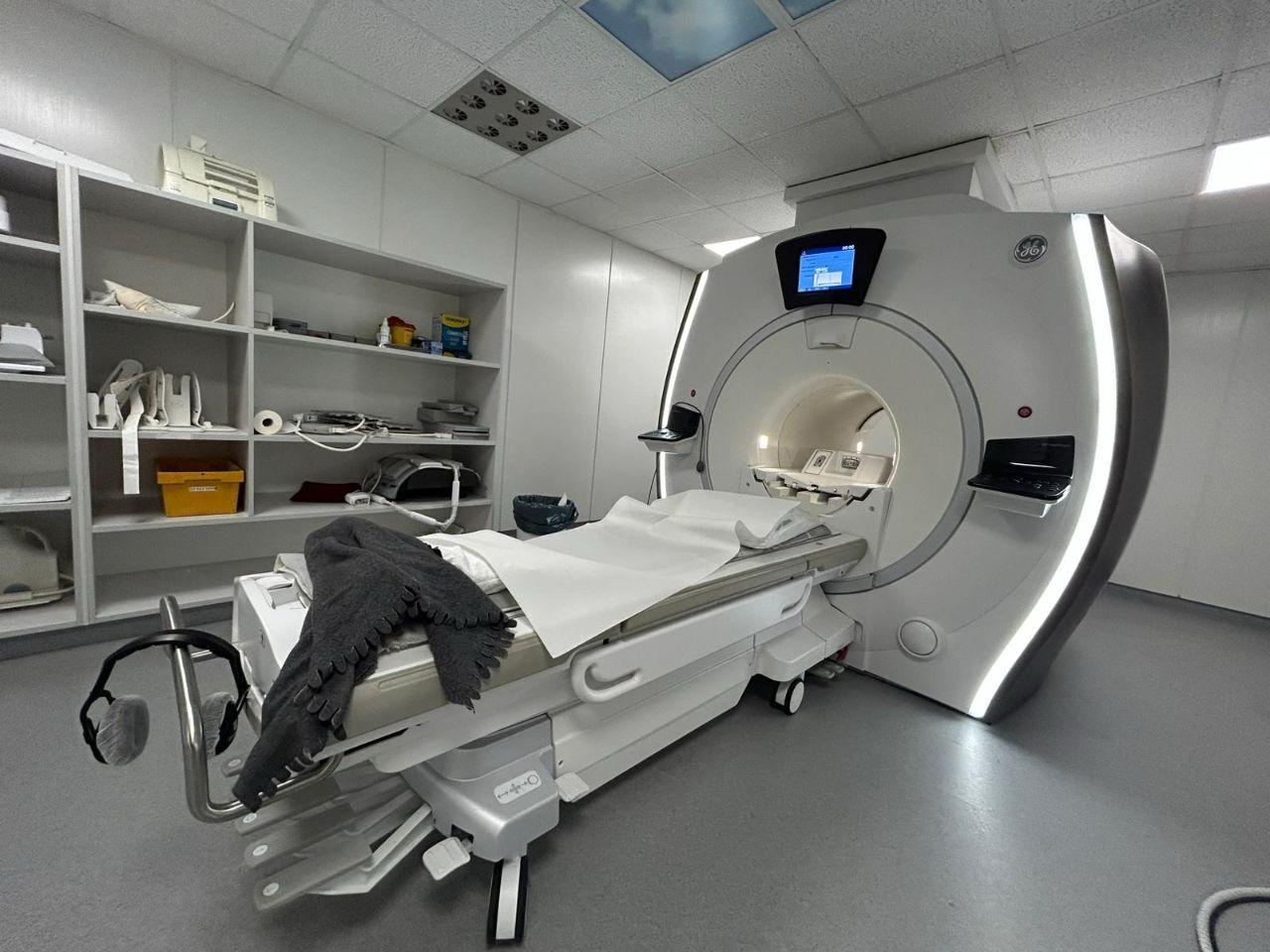
Practical considerations, risk points, and what to ask before you buy, service, move, or maintain imaging equipment.
A used or refurbished MRI quote should spell out the exact system, field strength, bore style, software, coils, condition, deinstallation scope, freight, site-readiness assumptions, installation and acceptance support, warranty or service coverage, parts path, and exclusions. Do not compare MRI quotes by scanner price alone. A lower equipment number can become the more expensive project if it leaves out coils, rigging, room work, chiller condition, service support, or who owns each handoff.
The better question is: what is included, what is excluded, and what still has to be verified before the MRI can earn revenue?
Why MRI quote scope matters before price
Used MRI pricing is not one category. A used-as-is scanner, a refurbished MRI, an equipment-only sale, an installed project, and a service-backed replacement are different offers.
Separate the quote into three buckets: what is included, what has been tested, who moves and installs it, and who supports it after go-live.
Medical Imaging Specialists is based in Bradenton, Florida, and supports equipment sales, refurbishment planning, field service, parts, and installation coordination for buyers in Florida, the Tampa Bay region, the Caribbean, Latin America, and other supported markets.
If you are still building the broader budget, start with the MIS guide to used and refurbished MRI machine cost. If you already have a quote in hand, use this article as the review checklist.
What system identity should the MRI quote include?
The quote should identify the MRI precisely: manufacturer, model, field strength, bore style, software level, table configuration, coil package, workstation, current location, operating status, and known configuration limits.
“1.5T MRI available” is not enough. A facility comparing open, closed-bore, wide-bore, 1.5T, or 3T systems needs to know what clinical work the configuration can reasonably support and what infrastructure it requires.
The quote should also distinguish a configuration reference from confirmed inventory. If a vendor describes a model family, ask whether that exact unit is available, inspected, under power, already removed, stored, reserved, or still subject to seller approval.
For field-strength planning, compare this with 1.5T vs. 3T refurbished MRI guidance.
Which coils, software, and accessories should be listed?
Coils can change the usefulness of an MRI project. A scanner that looks attractive on equipment price may not support the facility’s referral mix if key coils are missing, weak, untested, incompatible, or excluded.
Ask the quote to list each included coil, its known condition, and whether coil testing has been performed or still needs to be completed. Match the package to the studies the facility expects to perform while leaving clinical suitability decisions to the appropriate physicians, physicists, MRI safety professionals, and project engineers.
Software should be just as explicit. Confirm enabled options, workstation scope, applications included, transfer assumptions, upgrade path, and any exclusions. Do not build a business case around a sequence, package, or feature that is not actually included.
What condition and documentation should be provided?
MRI condition should be documented, not implied. Ask whether the system is operating, inspectable under power, deinstalled, stored, refurbished, partially refurbished, or sold as-is. Each status carries different risk.
A useful quote should say what is known about magnet status, helium history where applicable, ramp or quench history if known, chiller condition, coil condition, table function, console status, software/options, service history, PM records, open faults, missing accessories, and known exclusions.
Photos help, but they are not a substitute for records. Request clear photos of the magnet, table, coils, console, equipment labels, cooling components if included, accessories, and any removed or stored components. If the vendor uses the word “refurbished,” ask what work was performed.
Avoid vague phrases like “working when removed” or “complete system” without a component list. They may be true, but they do not tell you what belongs in the acceptance folder.
Does the quote include deinstallation, rigging, and freight?
Sometimes the seller handles removal. Sometimes the buyer does. Sometimes the equipment price excludes every difficult part of the move. The quote should make that visible before anyone signs.
Ask who owns deinstallation, qualified disconnect, magnet preparation where required, rigging path review, crane or forklift work, site access, crating, freight, insurance, storage, customs or import paperwork if relevant, delivery, and destination receiving.
This is especially important when buying from outside Florida, moving equipment into Florida, or coordinating Caribbean and Latin America projects where freight, customs, power quality, and support routing can affect the project.
For deeper planning, review how long MRI deinstallation takes and MRI deinstallation and rigging cost planning.
What site assumptions should be documented?
An MRI quote should not pretend the room is ready until the room has been reviewed. A scanner can be the right model and still be the wrong project if the site cannot support it.
At minimum, the quote or project notes should identify what remains to be checked: access path, floor loading, room dimensions, RF shielding, power, HVAC, chilled water or chiller plan, quench path for superconducting systems, service clearances, safety zoning, network/DICOM readiness, and contractor responsibilities.
Exact requirements are model, configuration, site, and jurisdiction specific. The quote should not replace OEM documentation, engineering review, MRI safety review, physicist input, architectural planning, or local code review.
If the room is not yet validated, read the MIS MRI site planning guide.
What installation, service, and parts support should be clear?
Installation scope should be written down. Ask whether the quote includes delivery coordination, rigging into the room, installation labor, startup support, applications support, acceptance coordination, DICOM/PACS coordination, and post-install issue handling.
Service coverage should be just as specific. If warranty, PM, or service support is offered, ask what is covered, what is excluded, when coverage begins, who performs the work, how travel and labor are handled, and what happens if an issue appears during startup.
Parts support deserves a direct conversation before purchase. Ask whether common parts can be sourced for the exact model and configuration, whether replacement coils or chiller support are realistic, and who will help identify parts later if the scanner goes down.
MIS supports medical imaging field service, service agreements, and medical imaging parts. The quote conversation should include supportability before the magnet ships.
How should buyers compare two MRI quotes?
Put both quotes into the same scope grid before comparing price:
- System identity: exact model, field strength, bore, software, coils, table, console, accessories
- Condition: operating status, inspection status, refurbishment scope, records, known issues, exclusions
- Logistics: deinstallation, rigging, crating, freight, insurance, storage, customs
- Site: room readiness, power, HVAC or chiller, shielding, quench path, access, network, safety planning
- Installation: delivery, rig-in, startup, acceptance, applications, DICOM/PACS handoff
- Support: warranty, PM, service agreement, parts path, post-go-live owner
- Unknowns: what still needs inspection, review, approval, or buyer decision
The cheapest quote is not always the lowest-risk quote. The better quote is the one that clearly states what the buyer is getting, what the buyer still owns, and what proof is available.
What should I send MIS for a useful MRI quote?
Send the facility location, intended clinical use, preferred field strength or bore style if known, timeline, new-install or replacement status, current room status, site drawings or room photos if available, service expectations, and any budget boundaries the team should respect.
If you already have a candidate MRI, send the manufacturer, model, field strength, bore style, software level, coil list, current location, operating status, service history, photos, removal deadline, and seller inclusions or exclusions.
Do not send patient images, reports, worklists, credentials, or unredacted clinical screens. For a scoped review, use MIS’s equipment quote path.
FAQs
What should be included in a used MRI quote?
A used MRI quote should include the exact scanner identity, field strength, bore style, software, coils, table, workstation, accessories, operating status, condition records, logistics scope, site assumptions, installation support, warranty or service terms, parts path, and exclusions.
Does an MRI quote usually include installation?
Not always. Some quotes are equipment-only, while others include deinstallation, freight, rigging, installation, startup, and acceptance support. The quote should state the scope clearly so the buyer can compare offers responsibly.
What site requirements should be checked before buying a used MRI?
Buyers should review access, floor loading, power, HVAC or chiller needs, RF shielding, quench path where applicable, service clearances, safety zoning, network readiness, and local project requirements with qualified professionals before treating the project as ready.
Can MIS help if I do not know which MRI configuration fits?
MIS can help buyers frame the equipment, site, logistics, service, and parts questions needed for a scoped quote. If the right model or configuration is unknown, say that in the quote request so the conversation can start with fit rather than a premature model choice.
Bottom line
A used or refurbished MRI quote should do more than name a scanner and a price. It should show the system, the records, the move, the room, the installation plan, the service path, and the exclusions clearly enough that a facility can compare real project risk.
Need help with this exact problem?
Send the modality, site location, timeline, and any system details. MIS will route the request by intent.
Related resources
Buyer's Desk
What Should Be Included in a Refurbished Imaging Equipment Quote?
Compare refurbished CT, MRI, PET/CT, and X-ray quotes by project scope, acceptance evidence, warranty start, logistics, service, and parts support.
Buyer's Desk
Equipment-Only vs. Installed MRI Project Cost: What Should Buyers Compare?
Equipment-only MRI pricing and installed MRI project cost are not the same thing. Learn what belongs in each scope before comparing used or refurbished MRI quotes.
Buyer's Desk
Does a Used MRI Price Include Installation?
A used MRI price may or may not include installation. Learn how to compare equipment-only quotes, installed project scope, and ongoing support before buying.