
Buyer's Desk
How Much Does a Used or Refurbished MRI Machine Cost?
August 28, 2026 · 6 min · Medical Imaging Specialists
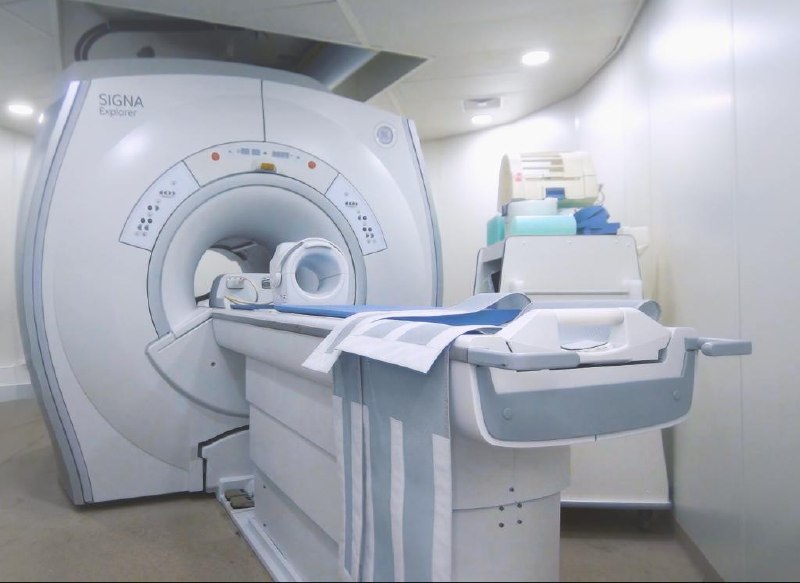
Practical considerations, risk points, and what to ask before you buy, service, move, or maintain imaging equipment.
Considering a lease instead?
Equipment, service, PMs, parts, and applications support can be bundled into one monthly payment.
If this article is about financing, ROI, service contracts, or total cost of ownership, the leasing model may simplify the decision.
A used or refurbished MRI machine does not have one universal cost. The real budget depends on the exact system, field strength, bore style, software and coil package, magnet condition, deinstallation and rigging scope, freight, site preparation, installation, applications support, first-year service, parts availability, and the facility’s timeline. For buyers in Florida, the Caribbean, Latin America, and other markets MIS supports, the safer question is not “What is the cheapest MRI?” It is “What will this exact MRI cost to buy, move, install, accept, and keep running?”
That distinction protects the project. A low equipment number can still become expensive if the room is not ready, the coil package is incomplete, the magnet history is unclear, or the service plan starts after a failure.
What should be included in a used MRI cost conversation?
Start with system identity. A quote should name the manufacturer, model, field strength, bore size, software level, coil list, table configuration, workstation, accessories, current location, and current operating status. “1.5T MRI available” is not enough information for a capital decision.
Then separate the cost into buckets: equipment scope; deinstallation and rigging; freight, crating, storage, and insurance; site preparation; installation and acceptance support; coil, chiller, workstation, and accessory gaps; applications support if needed; warranty, service, PM, or time-and-materials exposure; and parts availability.
Medical Imaging Specialists is based in Bradenton, Florida, and works across equipment sales, refurbishment, installation planning, field service, and parts. That full view matters because MRI cost is rarely just the scanner.
For a broader buying framework, start with the refurbished MRI scanner buying guide and current MRI equipment options.
Why field strength changes the project budget
Field strength is one of the first cost drivers. A 1.5T MRI and a 3T MRI may both be “used MRI machines,” but they often serve different clinical and infrastructure needs.
A 1.5T system is the workhorse for many outpatient centers, community hospitals, orthopedic groups, and multispecialty imaging facilities. It can be a strong fit for routine spine, brain, MSK, body, and general diagnostic work when the configuration and site plan match the referral base.
A 3T system may make sense for advanced neuro, specialty MSK, prostate, research, or other higher-resolution use cases. It may also bring more demanding site, service, and support requirements. If the facility’s referral mix will not use the added capability, the higher project complexity may not be justified.
Open MRI and wide-bore decisions add another layer. A facility serving claustrophobic, bariatric, orthopedic, or comfort-sensitive patients may value access and patient experience, but clinical use, scan speed, support path, and local demand still need to line up. Compare field strength with referral orders, not just marketing language. The 1.5T vs. 3T MRI guide is the next useful read if this is the main decision.
What site costs can change the answer?
MRI site planning is where many budgets get surprised. The scanner may be available, but the building has to accept it.
Before treating an equipment quote as the project cost, review the magnet room, RF shielding, power, HVAC, chiller plan, quench pipe path for superconducting systems, floor loading, access path, rigging needs, service clearances, network requirements, and safety zoning. A room that worked for one MRI may not be ready for another MRI without review.
Florida buyers also need to think practically about heat, humidity, storm planning, contractor timing, and clinical downtime if an existing room is being replaced. Caribbean and Latin America projects may add freight, customs, import, power-quality, and local service-routing questions.
Use the MRI site planning guide before buying for a room that has not been reviewed.
How do logistics and deinstallation affect used MRI cost?
An MRI sale is not real until the system can be removed, protected, transported, received, and installed. A quote should define who owns each handoff.
Ask whether the MRI is installed and scanning, whether it can be inspected under power, who handles deinstallation, whether ramp-down is needed, how the magnet will be rigged out, who crates and insures it, how it ships, and who receives it.
Missing logistics scope can turn a “good deal” into a messy project. If the seller says removal is the buyer’s responsibility, ask whether that includes qualified disconnect, rigging path review, crane work, dock access, insurance, freight, storage, and destination delivery.
For the removal side of the decision, read how long MRI deinstallation takes and MRI deinstallation and rigging cost planning.
What equipment condition details belong in the quote?
Condition is not a beauty contest. Fresh paint and clean photos are useful, but they do not replace records.
Ask for magnet status, helium history when applicable, ramp and quench history if known, chiller condition, coil testing status, table condition, software/options, recent service notes, and known open issues. Ask what has been refurbished, replaced, tested, or excluded.
Coils deserve special attention. Missing or weak coils can limit clinical use after installation, so confirm the package supports the intended exam mix.
Software also belongs in the conversation. Do not assume every listed MRI includes every application the facility expects. Confirm enabled options, upgrade path, and serviceability before building a business case around a clinical promise.
How should service and parts factor into the MRI budget?
The first year after installation matters. Buyers should decide how much risk they are keeping and how much they are transferring through warranty, PM, service agreement, or time-and-materials support.
A lower equipment price may not help if the MRI has poor parts access, limited qualified service, an aging chiller, weak coils, or recurring faults. A stronger quote explains who supports the system after acceptance, how PM will be handled, and what parts path exists.
MIS supports MRI buyers with field service, medical imaging parts, service agreements, and equipment quote planning through /quote. That does not mean every MRI, location, part, or project is automatically supportable. It means the buying conversation should include supportability before the system arrives.
What should I send MIS for a used MRI quote?
Send enough information to make the quote useful without exposing patient information. Include clinical use, preferred field strength, open or closed bore preference, facility location, room status, timeline, whether this is a new install or replacement, desired coil package, service expectations, site drawings or room photos if available, and budget constraints you want the team to respect.
If you already have a candidate MRI, send the manufacturer, model, serial number if known, field strength, bore size, software level, coil list, current location, operating status, service history, photos, removal deadline, and seller inclusions or exclusions. Do not send patient images, worklists, reports, credentials, or unredacted clinical screens.
The best quote request is honest about unknowns. “Help me identify it” is better than a guessed model, coil, or site requirement.
Common used MRI cost mistakes
Do not compare equipment-only numbers against fully scoped project quotes. Do not treat installation as a generic line item. Do not buy for prestige if local referral demand does not justify the system. Do not leave service until after go-live. And do not accept vague warranty language. The refurbished equipment warranty guide explains how to review that risk.
FAQ
Is a used MRI cheaper than a new MRI?
Often, but the savings depend on the equipment, condition, included accessories, installation needs, and support plan. The facility should compare total project cost and operating risk, not just acquisition price.
Does a used MRI quote include installation?
Only if the quote says so. Ask whether installation, ramp and shim support, chiller work, applications support, site responsibilities, and acceptance steps are included or excluded.
Should I choose 1.5T or 3T?
Choose based on referral mix, clinical use, site readiness, budget, service plan, and supportability. Many outpatient facilities are well served by 1.5T, while 3T is better reserved for cases where the added capability is clinically and financially justified.
What is the safest next step before buying?
Build a project file with the system identity, coil list, service history, site plan, logistics scope, quote inclusions, service path, and PHI-free intake details. Then request a scoped review through MIS MRI equipment, the quote page, or contact.
Bottom line for MRI buyers
The right used MRI cost answer is specific to the system and the site. If you are buying in Bradenton, Sarasota, Tampa Bay, elsewhere in Florida, or planning a Caribbean or Latin America project through MIS and CEIMSA channels, do not stop at the scanner number. Price the whole path: equipment, room, route, install, acceptance, service, and parts.
Need a scoped MRI quote? Send MIS the modality, system target, facility location, room status, clinical use case, timeline, service expectations, and PHI-free supporting details through /quote or /contact. MIS can help compare equipment, site, logistics, and support before the purchase becomes expensive to unwind.
Need help with this exact problem?
Send the modality, site location, timeline, and any system details. MIS will route the request by intent.
Related resources
Buyer's Desk
What Should Be Included in a Refurbished Imaging Equipment Quote?
Compare refurbished CT, MRI, PET/CT, and X-ray quotes by project scope, acceptance evidence, warranty start, logistics, service, and parts support.
Buyer's Desk
Equipment-Only vs. Installed MRI Project Cost: What Should Buyers Compare?
Equipment-only MRI pricing and installed MRI project cost are not the same thing. Learn what belongs in each scope before comparing used or refurbished MRI quotes.
Buyer's Desk
Does a Used MRI Price Include Installation?
A used MRI price may or may not include installation. Learn how to compare equipment-only quotes, installed project scope, and ongoing support before buying.